Best Time to Visit Chile According to Locals: Fewer Crowds, Better Weather

Travel Chile Insider’s Regional & Seasonal Guide on the Best Time to Visit Chile
When is the best time to visit Chile is for ideal weather and fewer crowds? While I have my preferences — and many guides point to a 5-month window between November and March — I genuinely believe Chile has something special to offer year-round.
The better question might be what kind of experience will you most enjoy?
This guide — based on our lived experience in Chile for over 10 years — details precisely when to go based on what you like to do, where you plan to go, and the weather and energy that you’ll encounter throughout the year.
Our Personal Favorite Time to Travel in Chile
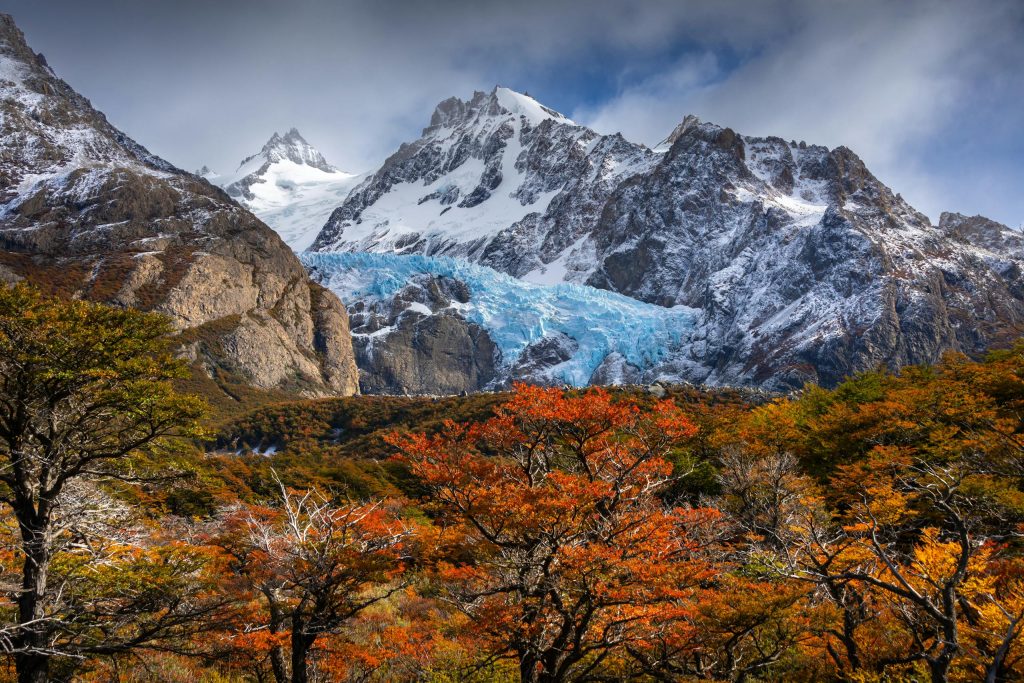
If you’re looking for a single window that balances weather, beauty, availability, and pace, for me it would have to be the fall shoulder season: March-April. The October-November spring shoulder season also has its highlights.
Across the country, you’ll find pleasant temperatures and a quieter versions of places that can be frenzied in peak season. In my opinion, these shoulder seasons are when Chile is most enjoyable.
In the springtime — October to November — most of Chile’s landscapes are dotted with colorful new blooms after a long rainy winter, and occasionally we get to see the desierto florido, when even the Atacama desert flowers.
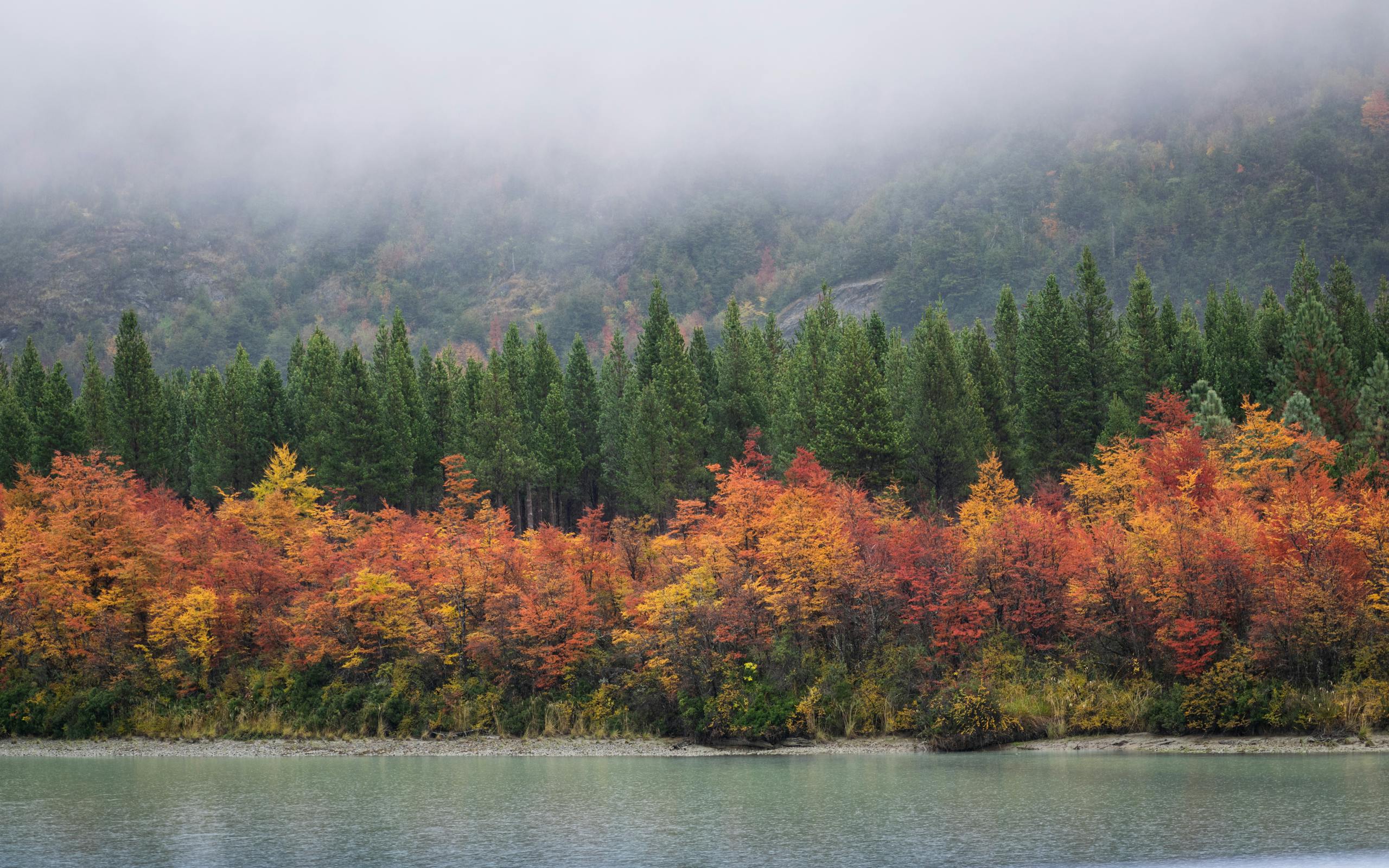
In autumn — March to April — towns breathe a sigh of relief, finally rid of the summer bloat, and the whole world spins into a moving painting of spectacular sunrises and crimson vignettes.
If you forced me to narrow the best time to visit Chile down to a single month, I would choose March, with April coming in as a close second, and if you plan to visit Chile for an entire month (which you should), I’d position the trip precisely from mid-March to mid-April.
I’d also plan my itinerary from south to north, starting in Patagonia and moving up through the wine valley then into the Atacama region.
Why?
By March, the busy summer crowds have left Patagonia and Chile’s Lake District; it’s colder but not too cold, many summer trails and services are still open, and the rainy-snowy season hasn’t quite made its debut yet — besides, March in the south of Chile gives us some of the most beautiful sunrises I’ve ever seen. I wait for them every year.
Moving into late March/early April, harvest abounds in Chile’s central valley, and the vendimias or grape harvest festivals are in full swing — if you don’t care for wine, you should try the chicha de manzana, a sweet and tangy, probiotic-rich apple fizz.
Finally, by April, the hottest days are gone from the north, but the more extreme day-to-night temperature swings during the winter haven’t set in yet, and April is the first month of optimal stargazing season in the Atacama.
It’s worth noting that while few guides will officially recommend the low season, there are worthwhile things to do in Chile during the winter too — not least among them, spending a few days in one of Chile’s world renowned ski resorts. And, even Patagonia’s winter-wonderland can be traversed; it just takes some extra planning and flexibility.
Understanding Chile’s Climate Zones & Reverse Seasons
Sitting in the Southern Hemisphere means Chile moves to a reverse seasonal calendar.
Spring: September, October, November
Summer: December, January, February
Autumn: March, April, May
Winter: June, July, August
Summer arrives in December and settles into full swing through January and early February, bringing long, bright days and a noticeable shift in energy.
The summer season is considered the high season for tourism, when the coastal towns, Patagonia, and the rest of the country’s most iconic landscapes fill with both international travelers and Chileans on holiday.
During these peak weeks, many locals leave Santiago for the coast — especially the stretch of beach towns collectively known as Litoral Central — giving Santiago a more residential feel.
Winter, by contrast, arrives in June — commencing the rainy season from Santiago and throughout the south, while drawing skiers into the Andes.
But the seasonal flip isn’t the only thing that makes pinpointing the ideal time to visit a puzzle. Chile’s extreme length creates four distinct climate zones with different weather patterns:
Northern Chile’s Climate | Atacama Desert
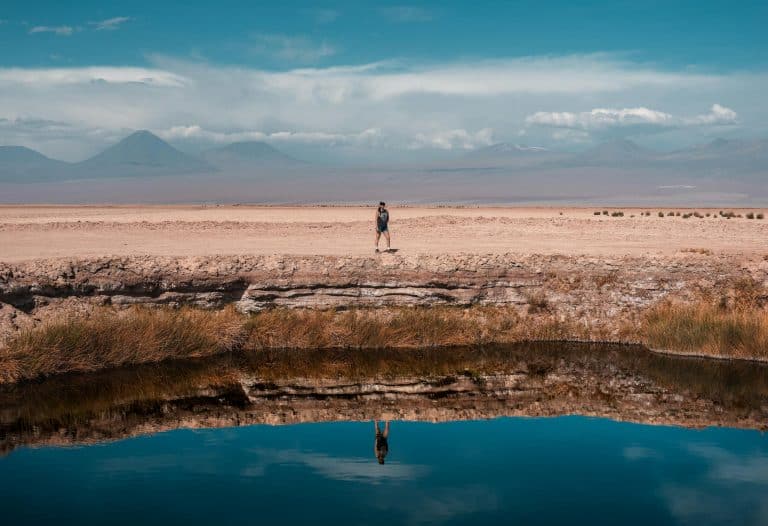
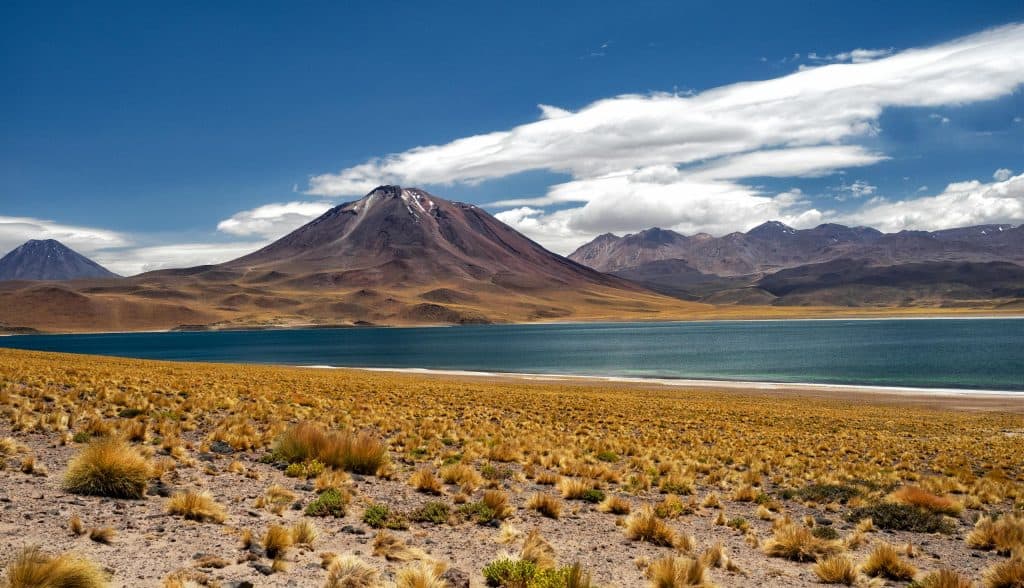
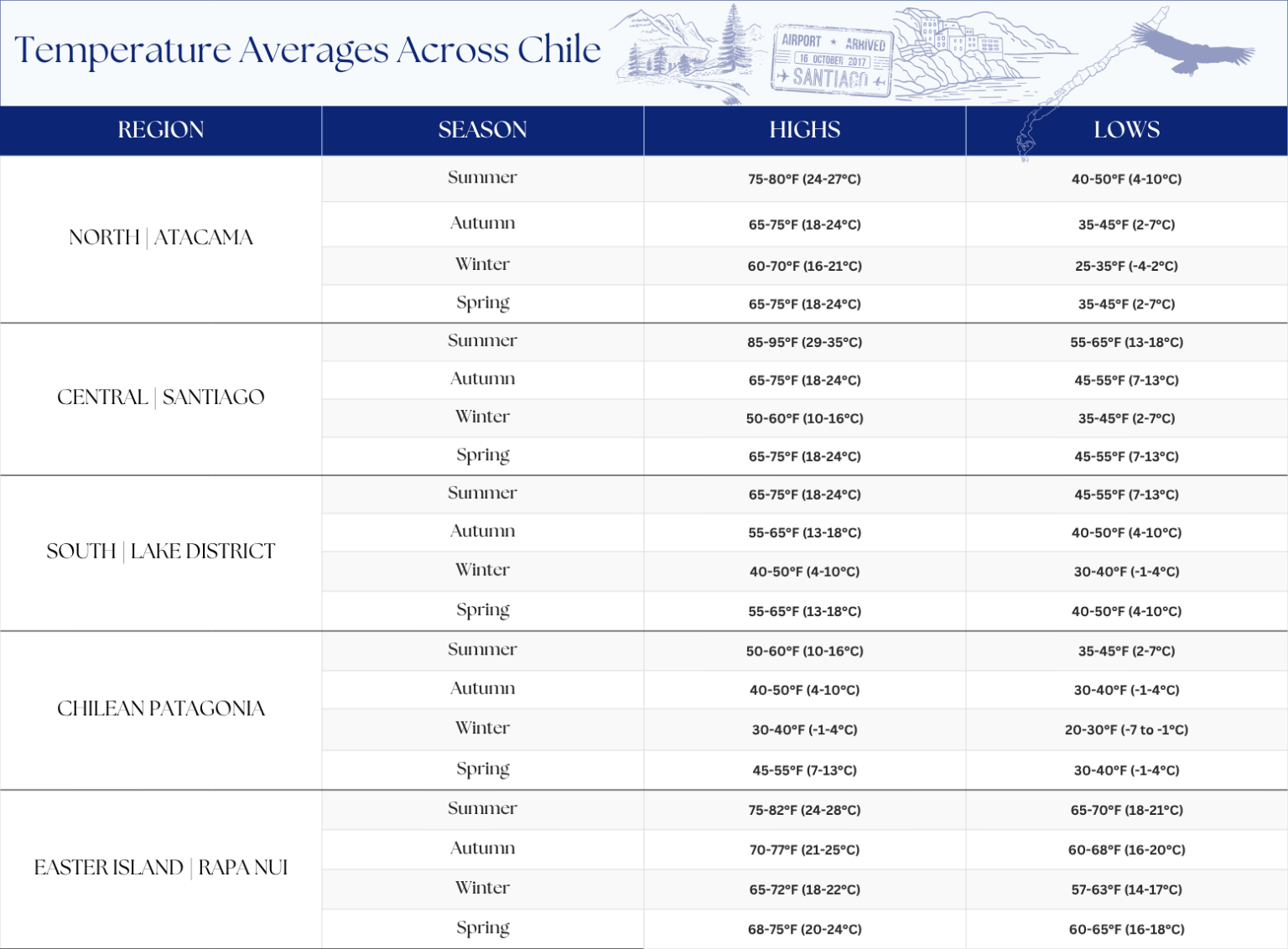
Typical of a desert climate, the Atacama is intensely dry and bright year-round; daytime temperatures range anywhere from the 60s to low 90s (20–32°C) depending on the time of year, dropping sharply at night.
In the winter even subzero temperatures are common at night at high altitudes, but the cold has its silver lining: Atacama’s nighttime sky is one of the clearest in the world during the winter.
Central Chile’s Climate | Santiago, Valparaíso, Wine Country
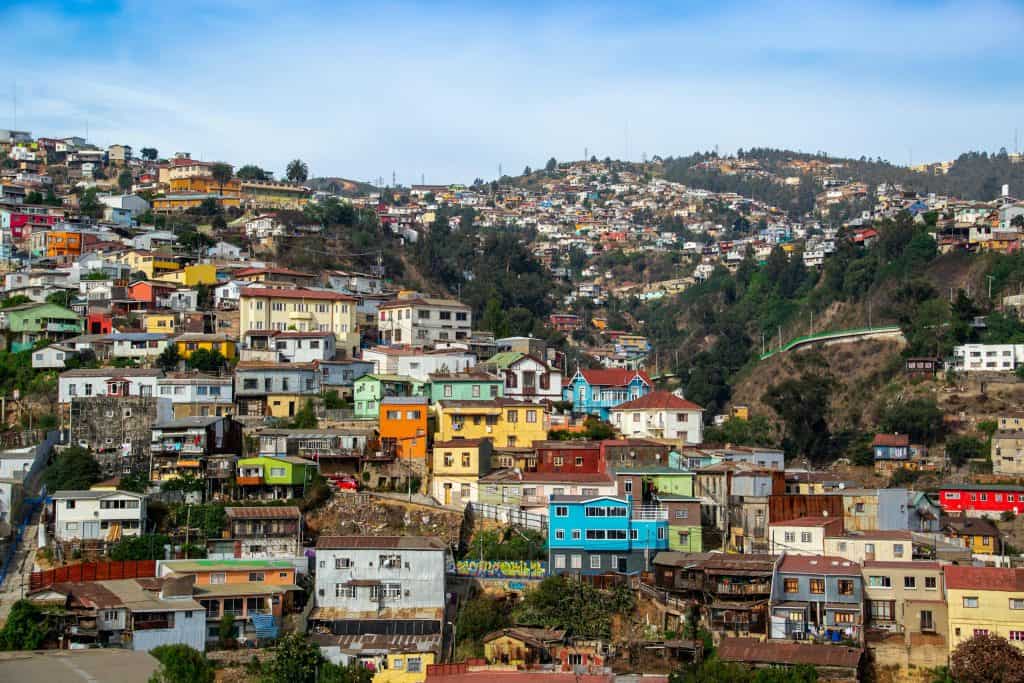
The central region, home to Santiago, beach towns, and Chile’s celebrated wine region, is characterized by a Mediterranean climate, with summer highs frequently reaching the mid 80s and 90s (25–35°C). Winters are a bit cooler with daytime temperatures in the 50s (10–15°C) and somewhat rainy.
Southern Chile’s Climate | Lake District, Villarrica, Puerto Varas, Chiloé
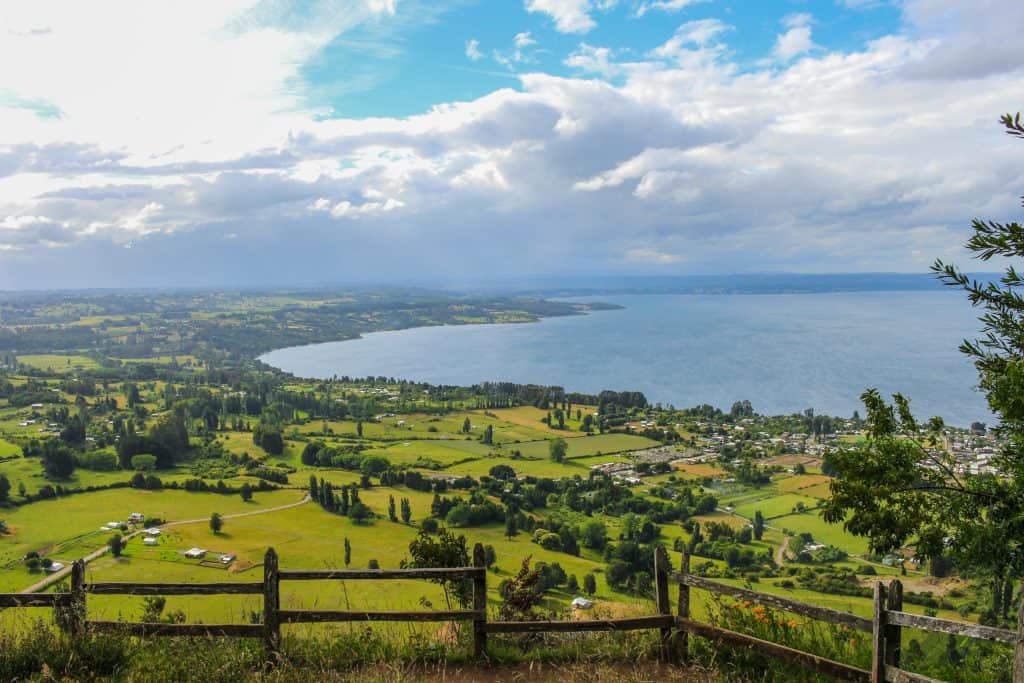
Further south, the Lake District (where we live), is shaped by dense forests, glassy lakes, and heavy rainfall particularly from May through August (in our town average rainfall is 18 inches in July); it’s considered a temperate rainforest and oceanic climate, not unlike the Pacific Northwest, with well-marked seasons.
Summers are mild and pleasant with highs in the 60s and 70s (15–25°C), and maybe a few days in February in the 80s (26–30°C). Winters bring heavy rain with highs in the 40s and 50s (5–15°C). The strong Puelche winds that travel over the Andes from Argentina in the east, also bring a bit of warmth in late spring and early autumn.
Patagonia’s Climate | Aysén, Torres del Paine
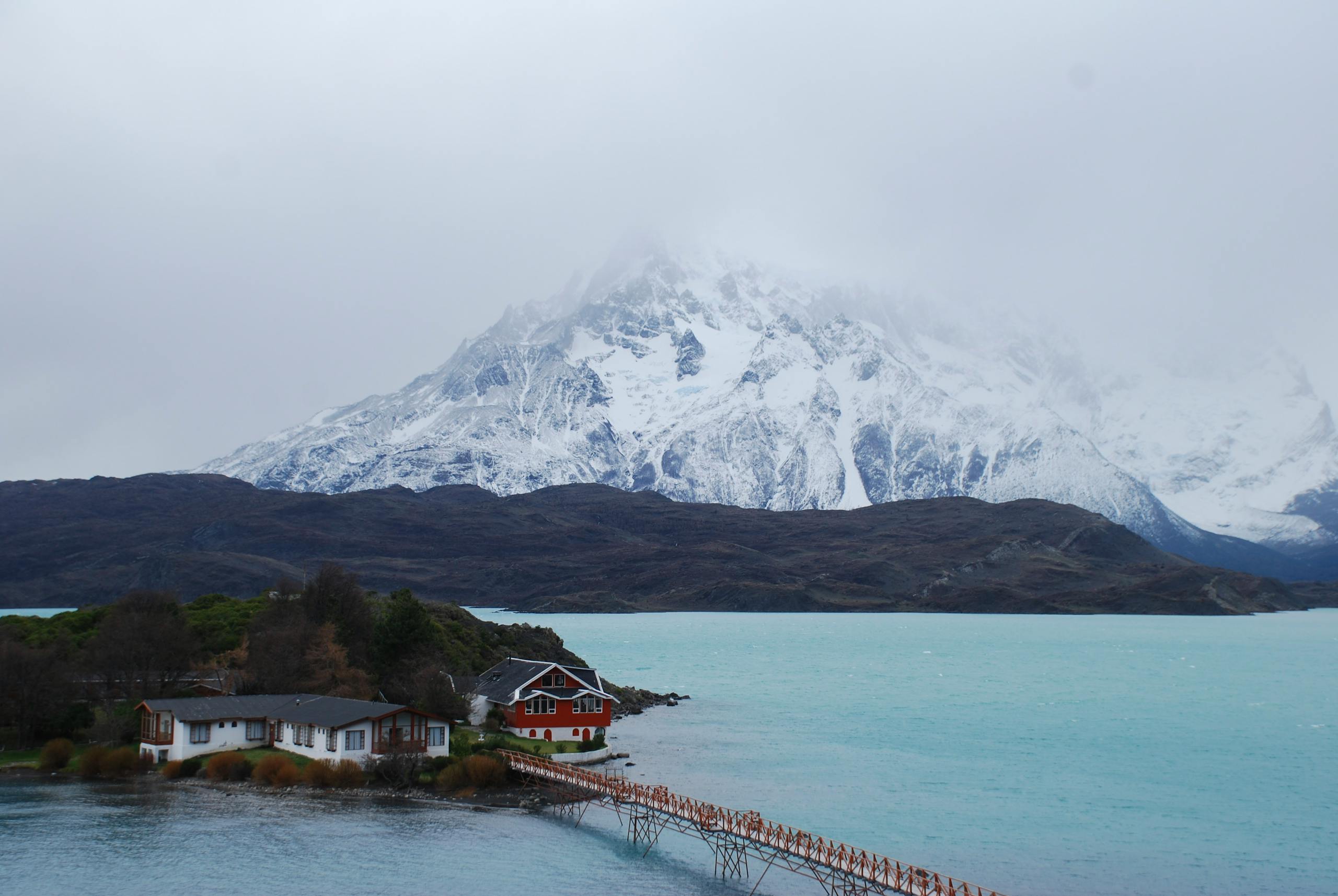
While the eastern or Argentine side of Patagonia is arid, characterized by a steppe climate, Chilean Patagonia is humid, lush, and glacial as you move into southernmost regions, and includes temperate, oceanic, and subpolar climates.
Patagonia is known for heavy wind year-round, and you can experience all four seasons in one-day. Summer days see highs in the 60s and 70s (15–22°C), while winter days see highs in the 30s and 40s (2–6°C) or colder in high-altitude areas; winter nights dip below freezing.
Rapa Nui’s Climate (Easter Island)
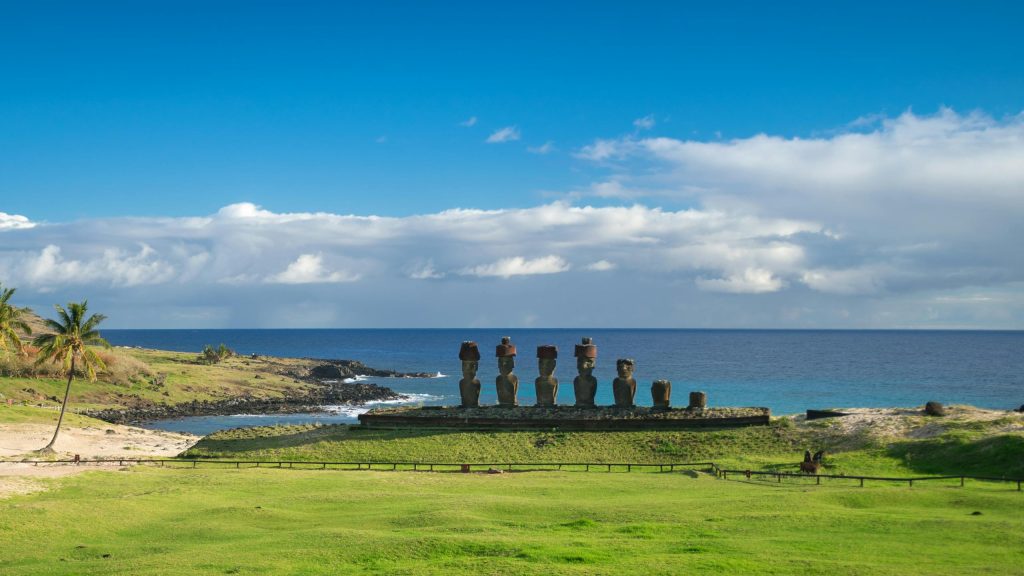
Far out in the Pacific, Rapa Nui (Easter Island) follows a slightly different rhythm from mainland Chile. While it shares the southern hemisphere’s reversed seasons, its subtropical climate means warmer, more stable weather year-round, with less marked seasons.
Summer — December to March — brings higher temperatures 77–82°F (25–28°C), while winter is cooler 68–73°F (20–23°C), greener, and noticeably quieter.
A Quick Guide to Chile Over the Year
Our Month-by-Month Breakdown
January and February in Chile offer ideal weather for Patagonia trekking, multi-region trips, and families. This is Chilean summer break, and the whole country is abuzz with outdoor activities and holiday energy. Expect crowds and high prices but the most reliable weather.
- Best Activities: hiking, boating, beach and water sports, vineyard tours, summer festivities
- Key Events: Viña del Mar International Music Festival; Tapati Festiaval, Easter Island; country fairs (ferias de costumbristas); open-air artisan markets
- Overall Weather: Warmest, most pleasant weather across the country. This is the least rainy time of year country-wide.
- Highest prices
March through April is grape harvest season in Chile, with refreshing autumn weather and fewer crowds. It’s a great balance of access and value. Many services in Patagonia begin closing down, but it’s an incredible time for photography. This is also an ideal time for astronomy tours in the Atacama.
- Best Activities: hiking, some boating, photography, vineyard festivities, stargazing
- Key Events: Vendimias (grape harvest fetivals); Lollapalooza Chile, Santiago
- Overall Weather: Weather getting chillier, but nicer in Santiago. Rainy season starts to set in outside of the Atacama.
- Prices drop
Shoulder season ends in May; cold weather, rain and snow intensify in most of the country. This time is good for travelers focusing on cities and wine country, where the weather is still pleasant as well as activities in the Atacama desert.
- Best Activities: vineyard tours, scenic drives, stargazing and hiking in the Atacama
- Key Events: Santiago Wild Film Festival; Día de los Patrimonios
- Overall Weather: Weather getting chillier, but nicer in Santiago. Rainy season starts to set in outside of the Atacama.
- Prices drop
From June to August, ski season is in full swing in Chile and Atacama’s skies are at their clearest. The cold and rainy season sets in from Santiago down to Chile’s Lake District, and much of Patagonia is covered in snow and ice. Winter in Chile is a great time for skiing, hot springs, and urban explortion.
- Best Activities: Skiing, city exploration, stargazing in Atacama
- Key Events: Fiesta de la Tirana; We Tripantu Solstice; Winter Carnival, Punta Arenas
- Overall Weather: Coldest weather across the country, subzero at night in at high altitudes in Patagonia and Atacama, very rainy except Atacama
- Highest prices (ski resorts), Lowest prices (everything else)
Ski season in Chile comes to a close in late September. Spring weather brings some warmth and first blooms, though it is still somewhat cold and rainy in the south. Chile erupts into nearly week-long festivities across the country for the September 18th Independence Day. This is a wonderful time to experience Chilean culture.
- Best Activities: Skiing, city exploration, scenic drives, stargazing
- Key Events: Fiestas Patrias (Independence Day celebrations)
- Overall Weather: First wildflowers, weather in transition across the country, still rainy except Atacama
- Value prices
Chile’s October spring weather is pleasant, and it’s a wonderful time to visit wine country, hike in the Atacama, and or take a road trip on the Circuito de Siete Lagos, where many Germanic towns and breweries in the south of Chile hold Oktoberfest celebrations and flower markets.
- Best Activities: Some hiking, vineyard tours, scenic drives, stargazing
- Key Events: Mil Tambores, Valparaiso; Oktoberfest in many towns; flower markets
- Overall Weather: Weather beginning to warm, still cold in Patagonia, rain begins to lessen in the Lake District
- Value prices
Patagonian services are in operation in November, but it’s still cold and a bit snowy, good for adventurous trekkers who want to see more wildlife. The atmosphere around Chile is truly agreeable with few crowds and stable weather, a great time for tours and outdoor activities across the entire country at enjoyable prices.
- Best Activities: Hiking, boating, beach and water sports, vineyard tours, stargazing
- Key Events: Art Week Chile, Santiago; Puerto Montt International Jazz Festival; open-air artisan markets
- Overall Weather: Weather beginning to warm, still cold in Patagonia, amazing wildflowers in the Lake District, rains have dissipated, optimal weather in Atacama
- Value prices
In December, Patagonia is fully open with an uptick in foot traffic on the trails. It’s a sweet spot across Chile for good weather and lively energy before the full chaos of summer break. Coastal and lakeside towns begin to come alive. Christmas festivities take place on Christmas Eve, when families come together for gift opening and asado.
- Best Activities: Hiking, boating, beach trips, water sports, vineyard tours, scenic drives, stargazing
- Key Events: Christmas Eve, New Year’s Eve, open-air artisan markets
- Overall Weather: Weather beginning to warm, still cold in Patagonia, amazing wildflowers in the Lake District, rains have dissipated, optimal weather in Atacama
- Prices begin to rise
What Chile’s many climates means in practice is that if you want to include each region in one trip, you’ll want to pack for multiple seasons.
There are several ways to build a trip. Below we’ll help you plan by breaking things down by region, season, and activity. These sections have a bit of overlap, so I recommend jumping to the section that best suits your plans.
Best Time to Visit Chile by Region & Season
Best Time to Visit Chile by Activity
Best Time to Visit Chile by Region & Season
Peak Summer Season | December — February
This is when Chile’s tourism industry hits maximum capacity, and for good reason. Summer delivers the most reliable weather across the widest range of destinations, making it the safest bet for first-time visitors who want to pack multiple regions into one trip.
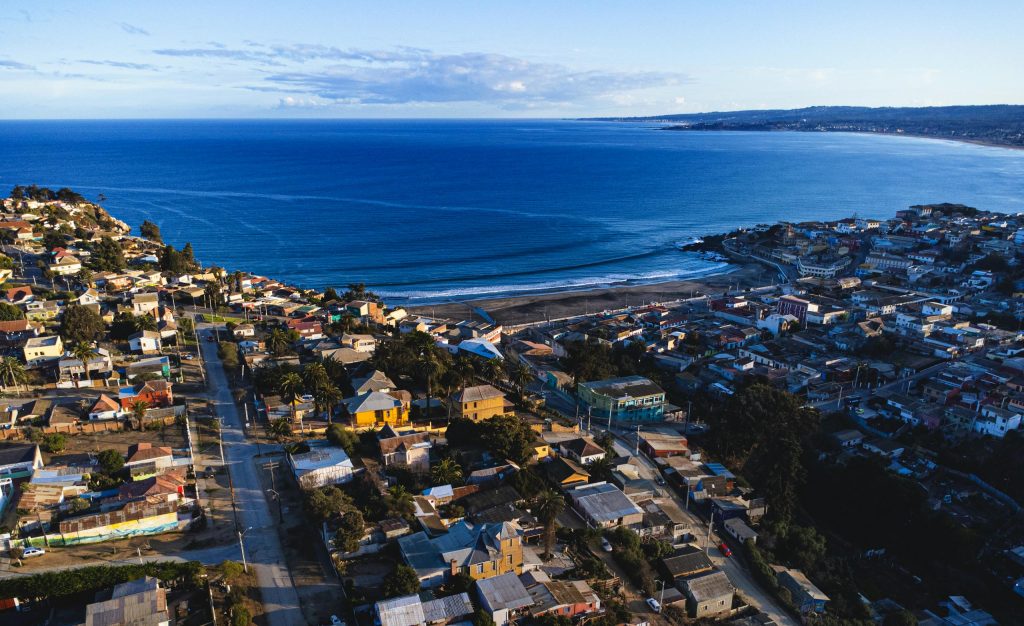
What’s Happening in Chile in the Summer
Patagonia in Summer
Patagonia’s trekking season is in full swing with 15-plus hours of daylight, mostly dry conditions, and all trails and refugios fully operational. Torres del Paine sees its highest number of hikers during this time; the W Trek and O Circuit are accessible without needing crampons or extreme cold-weather gear. Temperatures hover around 50-60°F during the day, though wind can still make it feel much colder.
Lake District in Summer
Chile’s Lake District comes alive in summer with warm days, clear skies, and outdoor adventures. Towns like Villarrica and Puerto Varas buzz with travelers heading out for hiking, kayaking, rafting, horseback riding, and volcano views. Lakes are warm enough for swimming and beaches fill up with both locals and visitors escaping the Santiago heat. Summer is also a popular time for exploring national parks, taking boat excursions, and enjoying long evenings by the water.
Central Chile & Wine Country in Summer
Central Chile bakes under the sun. Santiago regularly hits 90°F or higher, and locals escape the city for beach towns like Viña del Mar, Zapallar, and Papudo. Vineyards stay open for tours, but this is not harvest season, so you miss the wine-making action. The heat can make daytime city touring dehydrating, though evenings cool down nicely for rooftop dinners and outdoor activities.
Atacama Desert in Summer
The Atacama Desert stays dry and clear, but daytime temperatures can push toward 90°F. Stargazing remains world-class, and desert excursions (Moon Valley, geysers, salt flats) should operate on schedule, though sudden rain December through March can cause occasional weather cancellations.
Easter Island in Summer
On Easter Island, summer is one of the busiest and most energetic times to visit. Temperatures are warm and tropical, usually hovering around 80°F, with lush green landscapes and ideal conditions for exploring archaeological sites and beaches. The Pacific Ocean is warm enough for swimming, snorkeling, and diving. And in February the vibrant Tapati Festival, a major cultural celebration featuring music, dance, sports, and Polynesian traditions, takes place.
Summer Crowds & Costs
Summer is peak season across the country. Flights from North America and Europe cost 30-40% more than in shoulder season, and hotels in Patagonia book up six months in advance. Torres del Paine camping spots require reservations nearly a year ahead for the most popular circuits. Santiago hotels stay busy, though the city itself empties out as locals head to the coast.
If you visit during this window, book everything early and expect to share trails, viewpoints, and tours with large groups. The trade-off is that every service, tour operator, and facility runs at full capacity with reliable schedules.
Summer in Chile Is Best For
Summer in Chile is best for accessible Patagonia trekking, multi-region itineraries, guaranteed weather, families with kids on summer break, and anyone who prioritizes access and reliability over solitude or savings.
Autumn Shoulder Season | March — May
Autumn is when Chile transforms into one of the best-value destinations in South America. Crowds thin out dramatically, prices decrease, and the weather stays surprisingly good through most of April. (It’s also personally my favorite time of year in Chile, and I believe the best season for photography.)
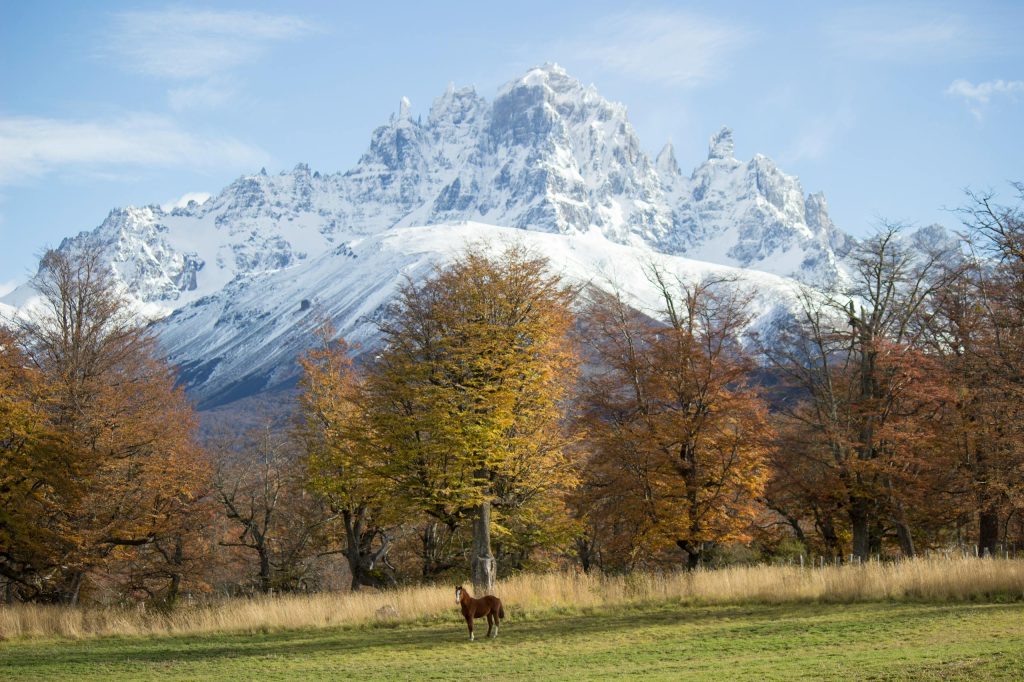
What’s Happening in Chile in Autumn
Central Chile & Wine Country in Autumn
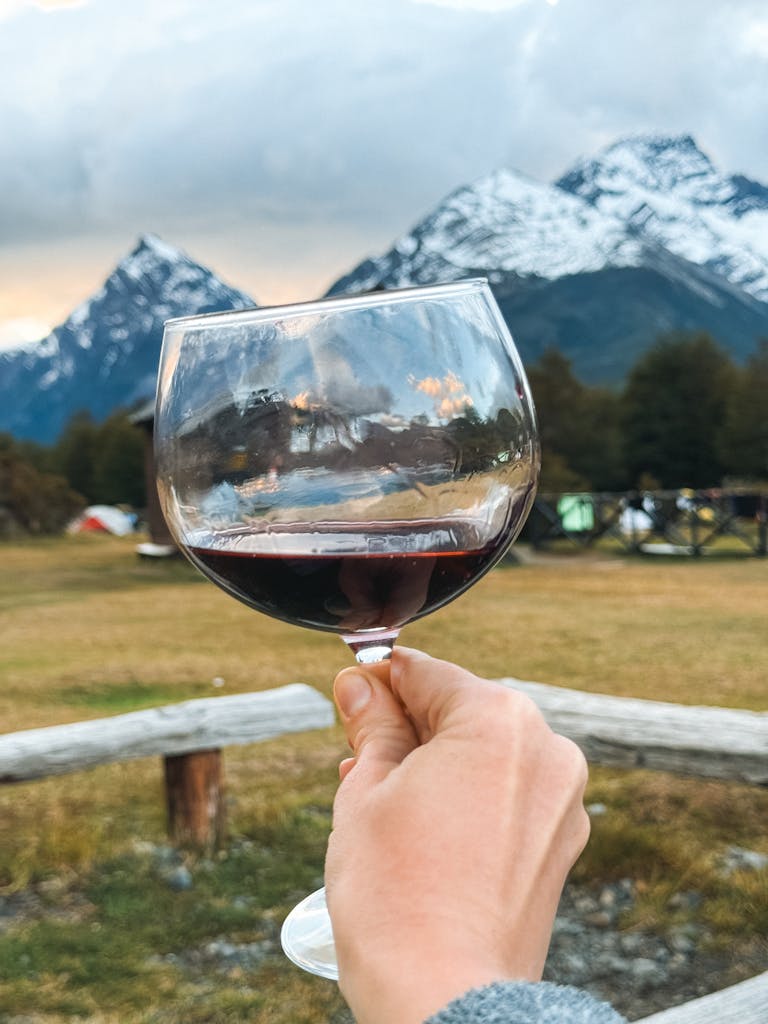
In Chilean Wine Country, March and April mark harvest season, celebrated with vendimias across the region. Vineyards around Colchagua Valley, Casablanca Valley, and Maipo Valley burst with activity as grapes get picked, crushed, and processed. Many wineries offer harvest tours where you can stomp grapes and taste juice straight from the press. The weather stays warm and dry, with daytime temps in the 70s and cool evenings lovely for outdoor dining among the vines.
Santiago and Central Chile enjoy agreeable weather. The intense summer heat fades, replaced by sunny days in the mid-70s and crisp nights. This is ideal for city exploration, coastal day trips, and outdoor markets without the stickiness.
Patagonia in Autumn
Patagonia remains accessible through mid-March, though temperatures start dropping and winds pick up intensity. By late March, many refugios and campgrounds begin to close for the season, and tour operators reduce frequency. If you go early in March, you still get decent trekking conditions with far fewer people on the trails. In April, you’ll have to navigate bit more cold and reduced access, but you may enjoy the deep autumn colors and wildlife.
Chile’s Lake District in Autumn
Chile’s Lake District becomes especially beautiful in fall as forests begin turning shades of gold, orange, and red. Destinations like Villarrica and Osorno enjoy cooler temperatures, quieter streets, and clear views of snow-dusted volcanoes. Early fall still offers excellent conditions for hiking, kayaking, hot springs, and scenic drives, while fewer crowds make the region feel slower and more relaxed.
Atacama in Autumn
The Atacama Desert moves beyond the occasional chance of rain. Temperatures moderate slightly from the summer highs, and you get even clearer skies and dramatic landscapes without peak-season pricing.
Easter Island in Autumn
On Easter Island, fall offers warm temperatures and smaller crowds. Days remain pleasant for exploring archaeological sites, hiking coastal trails, and relaxing on beaches, while humidity and heat ease slightly compared to midsummer. The island stays green after the summer season, and the quieter pace makes it easier to experience cultural sites and sunrise viewpoints without large tour groups.
Autumn Crowds & Costs
Tourist numbers drop by 40-50% compared to summer, especially after mid-March. Hotels cut rates (our family-run hotel for example would cut rates from March 1-15, and then we would further cut rates from March 15 onward), tour groups shrink, and popular sites are far less congested. Flights stay relatively affordable, particularly if you book for April or early May. This is the sweet spot for budget-conscious travelers who still want great weather.
Autumn in Chile Is Best For
Autumn in Chile is best for wine lovers who want to see harvest in action, budget-conscious travelers, couples seeking romantic vineyard stays and stargazing tours, and especially landscape and wildlife photographers, who will benefit from fewer crowds and stunning colors.
Winter & Ski Season | June — August
Winter brings truly cold temperatures and heavy rain or snow to central and southern Chile, but it also unlocks one of South America’s best ski scenes. If you are chasing powder or want to experience Chile outside the traditional tourist season, winter has real appeal.
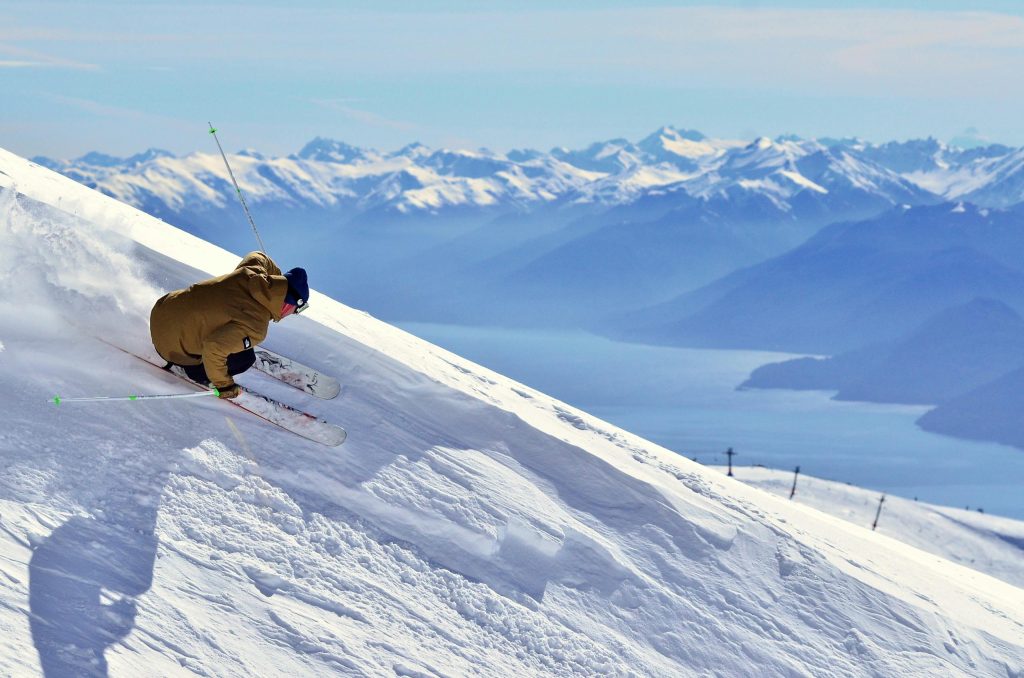
What’s Happening in Chile in Winter
Skiing in the Andes
The Andes light up with ski resorts less than an hour from Santiago. Valle Nevado, Portillo, and La Parva offer world-class skiing and snowboarding with runs that rival anything in Colorado or the Alps. Snow conditions peak in July and August, and because it is winter in the Southern Hemisphere, these resorts operate when North American and European ski areas are closed. Lift tickets cost less than major resorts in the U.S., and the mountain scenery is breathtaking.
Central Chile & Wine Country in Winter
Central Chile slows down in winter, with cool temperatures, rainstorms, and a quieter atmosphere across Santiago, the coast, and wine country. The capital takes on a moody, almost European feel, while nearby vineyard regions become lush and green, with cozy tastings, fireside lunches, and far fewer visitors. Along the coast, towns like are quieter and often misty, better suited to long seafood lunches and stormy ocean views than beach days. Museums, restaurants, wineries, and hotels remain open throughout the season, making it an easy winter destination if you don’t mind layers and an umbrella.
Patagonia in Winter
Patagonia in winter is quieter and just as beautiful — snow-covered valleys, frozen lakes, and almost no crowds. While some trails and lodges close for the season, much of the region remains accessible with the right planning. You’ll find cold temperatures, strong winds, and changing weather, but also crisp skies, excellent wildlife viewing, and a true winter wonderland feel. Places like Chile Nativo Travel and Do Patagonia still offer guided hikes and winter excursions.
Lake District in Winter
Chile’s Lake District becomes moodier in winter, with snow-covered volcanoes, misty forests, and cozy towns with rainy-day cafés, lakeside views, and dramatic mountain scenery. Ski resorts on nearby volcanoes — like Ski Pucón on Volcán Villarrica or Ski Osorno on Volcán Osorno — begin operating, while surrounding national parks take on a peaceful, almost alpine atmosphere. Expect cold temperatures, regular rainfall, and far fewer crowds throughout the region.
Atacama in Winter
Winter in the Atacama is also one of the best times of year for astronomy. The cold, dry air and near-total lack of light pollution create some of the clearest night skies on Earth, with the Milky Way often appearing in extraordinary detail. Observatories and guided night tours operate year-round, but winter skies tend to be particularly crisp and stable, making conditions ideal for both casual stargazers and astrophotography.
Easter Island in Winter
Winter on Easter Island stays relatively mild compared to mainland Chile, with temperatures usually ranging from the mid-60s to low 70s. Rain showers become more frequent, but the island remains pleasant for exploring archaeological sites and coastal trails. Visitor numbers drop noticeably during this season, creating a quieter experience at major Moai sites and beaches. While the ocean can feel cooler for swimming, winter is still comfortable for sightseeing and cultural tours year-round.
Winter Crowds & Costs
Chile receives far fewer international tourists, though ski resorts stay busy with locals and South American visitors. At our hotel, we would go from being completely booked out 1“ Hotel prices in most of the country significantly, and flights from North America can be 25-35% cheaper than summer. Ski resorts charge peak rates during their high season (July-August), but overall trip costs stay lower.
Winter in Chile Is Best For
Travelers who want to explore Chile without crowds, photographers chasing moody landscapes, and skiers and snowboarders who want to hit the slopes when Northern Hemisphere resorts are closed.
September — November | Spring Shoulder Season
Spring is Chile’s other major shoulder season, offering a middle ground between winter’s cold and summer’s crowds. Wildflowers bloom, temperatures warm up, and the country starts gearing up again for peak tourism season.
Dieciocho
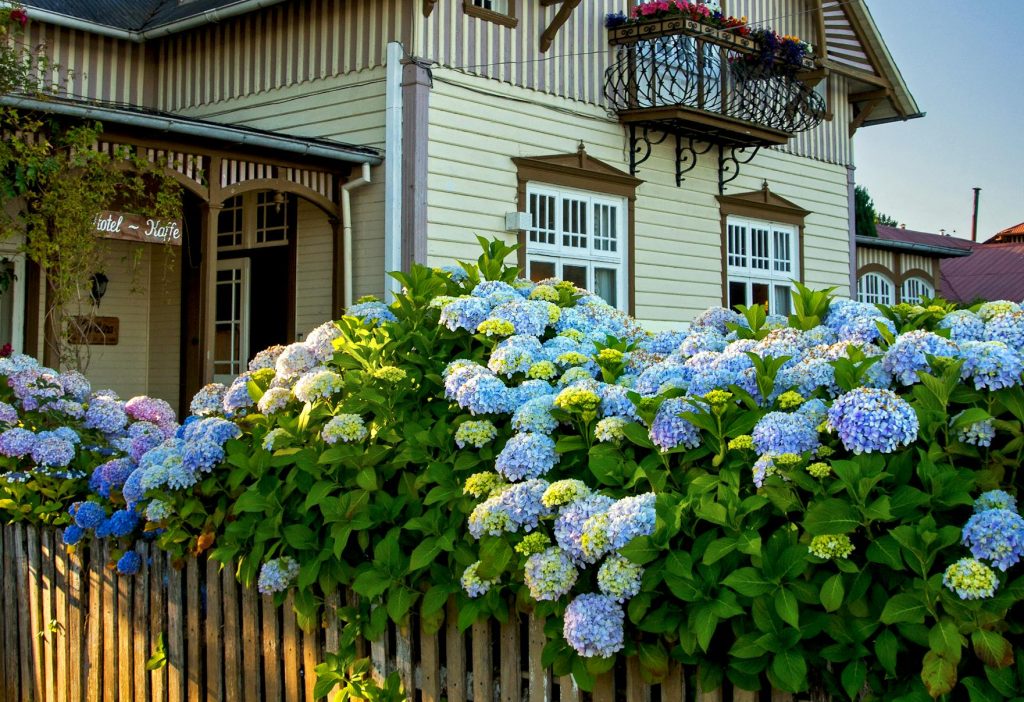
To welcome in the spring season, Chile prepares for one of its biggest events of the entire year: Independence Day or dieciocho as the locals say, is an almost week-long celebration surrounding September 18th when the entire country comes together for family gatherings and community fondas, which are like fairs with song, dance, games, and delicious foods prepared especially for the holiday.
What’s Happening in Chile in the Spring
Patagonia in Spring
Patagonia begins opening back up in late October and November. Early-season trekking offers incredible solitude, though weather remains highly unpredictable with sudden snowstorms and high winds. Some refugios don’t open until mid-November, so you need to research specific trail conditions before committing. Temperatures stay cool (40s and 50s), and you will need cold-weather gear even in November.
We traveled through Patagonia in November and really enjoyed the experience; I did bring ski pants and a parka, and I needed them. We didn’t go as far as Torres del Paine during this trip, though I distinctly remember a video posted by a friend who was on the O-circuit; the icy gusts of wind looked rough.
I think it’s also perhaps necessary to mention that safety is a legitimate concern: in a very sad turn of events, a group of hikers didn’t survive a November snowstorm in 2025, forcing conversations about infrastructure and safety measures in the park.
My personal opinion is that Torres del Paine is best left for December – March/April, unless your very adept in rough weather and tactical situations, or you take a guided tour.
Central Chile & Wine Country in Spring
Central Chile blooms with spring flowers and perfect weather. September and October deliver sunny days in the mid-60s to low-70s, ideal for wine tours, coastal drives, and Santiago city exploration. Vineyards start preparing for the growing season, and while you miss harvest activities, the countryside looks lush and green after winter rains.
Chile’s Lake District in Spring
Chile’s Lake District delivers greener and blooming wildflowers. Towns begin waking up after the quiet winter months, with longer days and improving weather. Rain is still common in early spring, but warmer temperatures and clearer skies gradually return by the end of November.
Atacama in Spring
The Atacama Desert doesn’t surprise with its ever clear skies and moderate daytime temps. Spring is one of the best times to visit if you want comfortable weather for multi-day desert expeditions without the summer heat or winter cold extremes.
Easter Island in Spring
Spring is also a beautiful time to visit Easter Island, with, blooming vegetation, and fewer crowds. Conditions are ideal, and the island feels especially lush and vibrant during this season, while steady ocean breezes keep temperatures comfortable for outdoor activities.
Spring in Chile Is Best For
Spring in Chile is best for travelers who want good weather without summer crowds, early-season Patagonia adventurers willing to handle unpredictable conditions, and wine country visitors who prefer green landscapes over harvest activity.
Best Time to Visit Chile by Activity
Some travel with a particular endeavor in mind. If you already know precisely why you’re coming to Chile, this overview will help you to decide when.
Best Time for Hiking in Patagonia & Chile’s Lake District
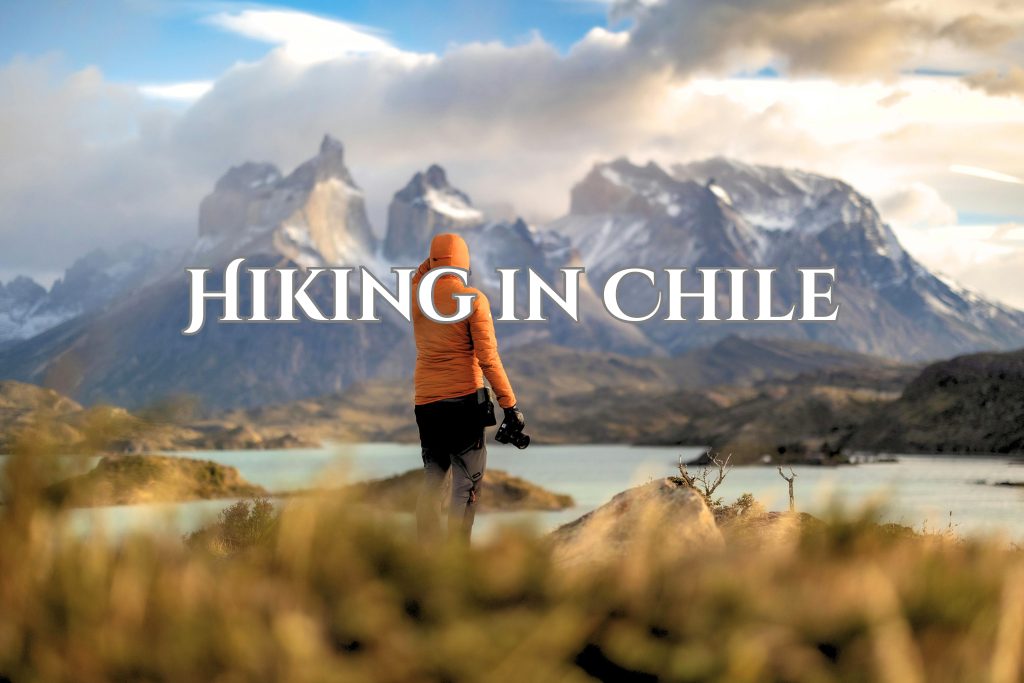
In Patagonia, the traditional trekking season runs from November through April, with each month offering distinct advantages: conditions in the summer between December and March are prime, but I still have to put a word in for April, especially if you’re a photographer and don’t mind the cold.
I should mention that after Chile was named Forbe’s destination of the year in 2026, the Chilean tourism board has collaborated with local operators to open Patagonia and Torres del Paine for year-round tourism. This is a concentrated effort to make the region more accessible and enjoyable, dissipating crowds, protecting wildlife, and supporting local small businesses.
Hiking in Patagonia by Month
November: Trails just opening, fewer people, unpredictable weather with potential snow, some refugios still closed. Best for experienced trekkers who want solitude and can handle sudden weather shifts.
December: Weather stabilizes, all trails and refugios open, wildflowers still blooming, daylight extends past 10 PM in Torres del Paine and well past 9pm in the Lake District. Crowds stay moderate. This is the sweet spot for great conditions without peak-season chaos.
January-February: Peak season with maximum crowds, highest prices, and the most stable weather. Trails are bustling, and popular campsites book out months ahead. Best for families and first-timers who prioritize reliability.
March: Crowds thin dramatically, weather starts intensifying, some facilities begin closing mid-month. Early March offers a great balance of fewer people and still-decent conditions, but late March pushes into more adventurous territory, and many guides will say the season ends here.
April: Patagonia and the Lake District enter true shoulder season, with autumn colors, crisp temperatures, and much quieter trails. Many refugios and campsites begin closing for the year, especially later in the month, while weather becomes colder and less predictable with stronger winds and first snow. Best for experienced travelers and photographers seeking solitude and dramatic scenery.
Winds whip year-round in southernmost parts of Patagonia, regardless of season. Even in summer, gusts can hit 60-70 mph, strong enough to knock you off balance on exposed ridges. You’ll windproof layers, a sturdy tent if camping, and bit of grit for the relentless buffeting.
Temperatures in the deep south rarely climb above 60°F even in peak summer, and nighttime temps drop into the 30s and 40s. Pack for cold, wet conditions even if the forecast looks clear, because Patagonian weather changes in minutes.
If Torres del Paine is your main priority, book your trip for December or early January to maximize good weather odds or in March to early April to maximize photography and wildlife sitings, while avoiding the busy peak of late January and February (unless you enjoy the bustle).
Hiking in Other Regions of Chile
- Hiking in northern Chile remains broadly accessible year-round, with the clearest skies in the winter, but also sub-zero temps in the high altitude areas.
- Santiago has several great day-hikes on its outskirts, such as Cajon del Maipu and Quebrada de Macul, just keep in mind, summer weather is torrid, you’ll want sunscreen and lots of water.
- In the Lake District, spring is ideal for volcano ascents, while summer is least rainy, though early fall is still very enjoyable.
Best Time for Wine Country & Harvest Season
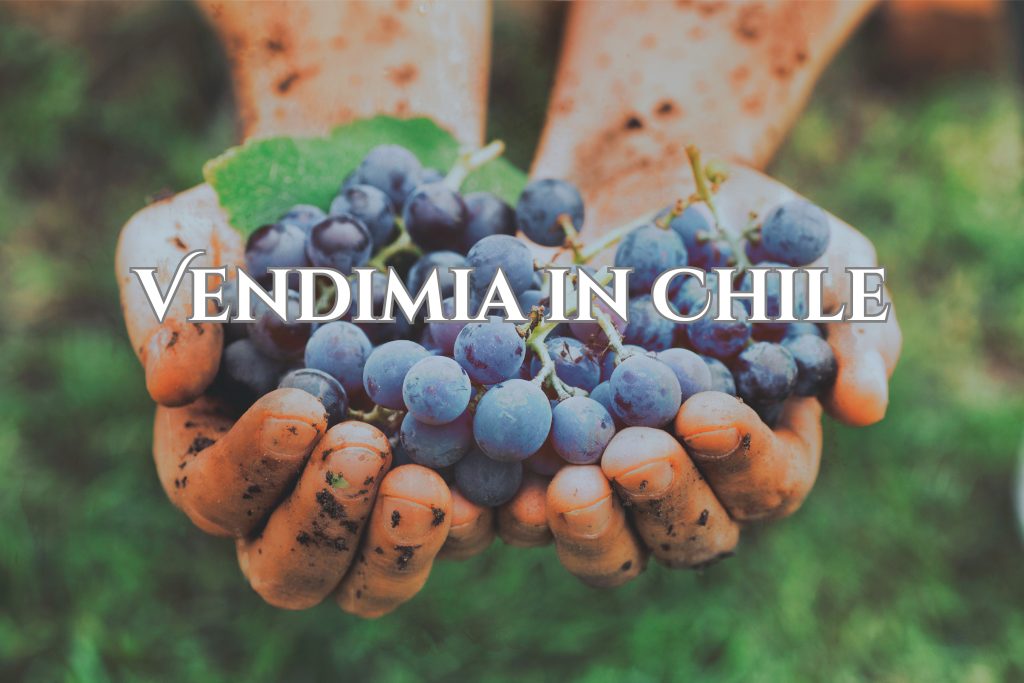
Chile’s wine regions produce some of South America’s best Carménère, Cabernet Sauvignon, and Sauvignon Blanc, and timing your visit around harvest adds a different dimension to standard winery tours.
Harvest season runs from late February through April, peaking in March. This is when you see grapes getting picked by hand, crushing and pressing in action, and the first stages of fermentation. Many wineries offer hands-on harvest experiences where you can pick grapes, stomp them in traditional presses, and taste fresh grape juice alongside finished wines.
What to Enjoy During Harvest:
- Access to wine making areas normally closed to tourists
- Opportunities to meet winemakers and viticulturists during their busiest season
- Harvest festivals in towns like Santa Cruz and Curicó with food, wine, and live music
- Cooler temperatures compared to summer, making vineyard walks more comfortable
- Autumn colors starting to appear in the vines by late March and April
If you visit outside harvest season, wineries still offer excellent tours and tastings, but you miss the energy and behind-the-scenes access that makes March and April special. Summer (December-February) brings hotter weather and more tourists, while winter (June-August) sees some smaller wineries reduce hours or close for the season.
The Colchagua Valley south of Santiago is the easiest region to access and offers the most developed wine tourism infrastructure. Casablanca Valley near Valparaíso specializes in white wines and stays cooler year-round. Maipo Valley sits closest to Santiago and works well for quick day trips.
Atacama Desert Stargazing & Landscapes
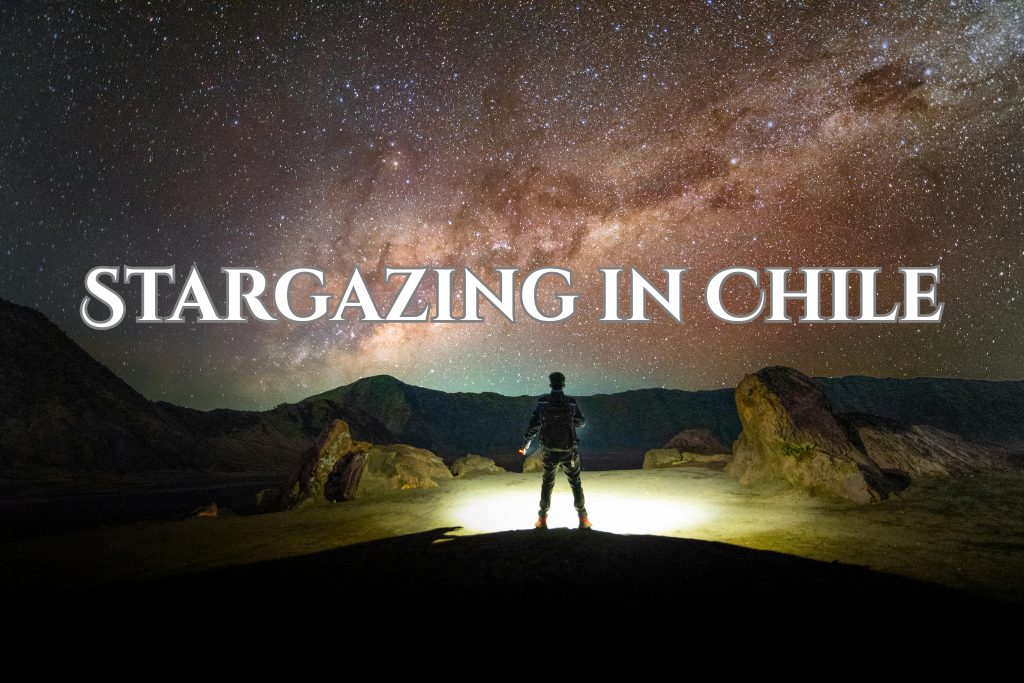
The Atacama Desert offers some of the clearest skies on the planet, making it one of the top stargazing destinations in the world. But while the desert stays dry nearly year-round, subtle seasonal differences will impact your experience.
The Atacama receives very little rainfall, with some weather stations recording zero precipitation for years at a time. This means you can visit any month and expect clear skies, but temperature swings between day and night create different comfort levels.
Also the highest altitude areas can be affected by burst of rain (or snow) during the summer months, areas like the Altiplano, Salar de Uyuni, El Tatio Geysers, and nearby regions like Arica and Parinacota, Tarapacá, Visviri, Putre, and Colchane.
Stargazing in Atacama by Month
December-February (Summer): Daytime temps reach 75-90°F, making midday desert hikes hot and exposed. Nights cool to 40-50°F, comfortable for stargazing tours. This is peak holiday season with higher prices and more tourists at popular spots like Moon Valley and the geysers.
March-May (Autumn): Temperatures moderate to 65-75°F during the day and 35-45°F at night. Crowds thin out, and you get even clearer skies without peak pricing. This is ideal for multi-day desert treks and photography.
June-August (Winter): Daytime temps stay pleasant at 60-70°F, and the long winter nights drop below freezing. Stargazing conditions inspire awe as the Milky Way’s galactic center sits highest in the sky and nights are longest. Just be sure to bring your sub-zero gear and layer early-morning geyser trips.
September-November (Spring): Similar to autumn with moderate temps and low crowds. Occasional afternoon clouds start appearing in November, but they typically clear by evening.
If you want comfortable all-around conditions for hiking, photography, and stargazing without freezing, go in March-April or October-November. You get mild daytime temps, clear nights, and fewer tourists than summer.
The town of San Pedro de Atacama sits at 7,900 feet elevation, so even in summer, you need layers for morning and evening. Altitude sickness may affect some visitors; staying hydrated helps.
Best Time for Beach-Going and Urban Exploration
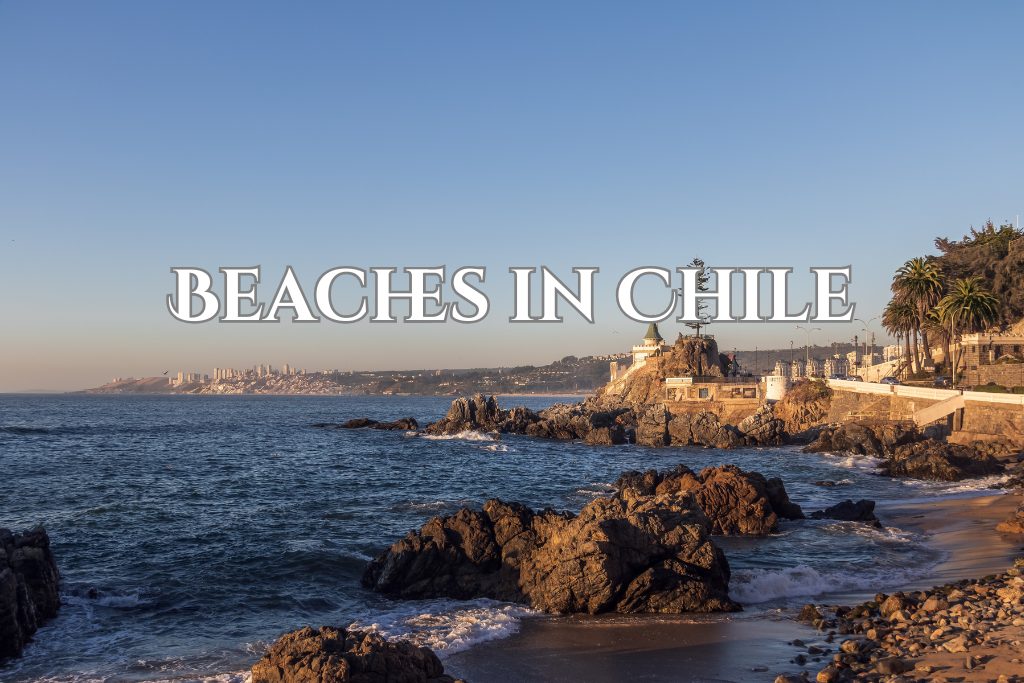
Santiago and the central coast follow a Mediterranean climate with distinct wet and dry seasons. Picking the right time makes the difference between sticky city tours or exploring in balmy conditions.
Beaches & Town Hopping in Chile’s Central Region
December-February (Summer) brings heat to Santiago, with temperatures regularly hitting 85-95°F and occasionally rising above 100°F. The capital vacates as locals head to beach towns in the Litoral Central. If you visit during summer, plan indoor activities during peak afternoon heat and save walking tours for early morning or evening.
The coast stays cooler than Santiago but swells with Chilean vacationers. Beach towns see elevated prices and hotels book out, especially during the week between Christmas and New Year.
March-May (Autumn) delivers the best overall weather for Santiago and the coast. Temperatures drop to the mid-60s and 70s, rainfall stays minimal through April, and the city comes back to life after summer break. This is perfect for exploring neighborhoods like Bellavista and Lastarria, taking day trips to Valparaíso, and enjoying outdoor markets without crowds.
June-August (Winter) brings frequent rain and temperatures in the 50s. The city takes on a gray, drizzly character, and you will need a waterproof jacket for city walks. Museums, restaurants, and cafes stay busy, making it workable for travelers who prefer urban experiences over outdoor activities. The coast gets cold and windy, so beach towns lose most of their appeal.
If your trip focuses on Santiago, Valparaíso, and wine country without Patagonia, the ideal window is March through May or September through November. You get great weather, lower prices than summer, and fewer crowds.
Best Time for Chile Ski Season
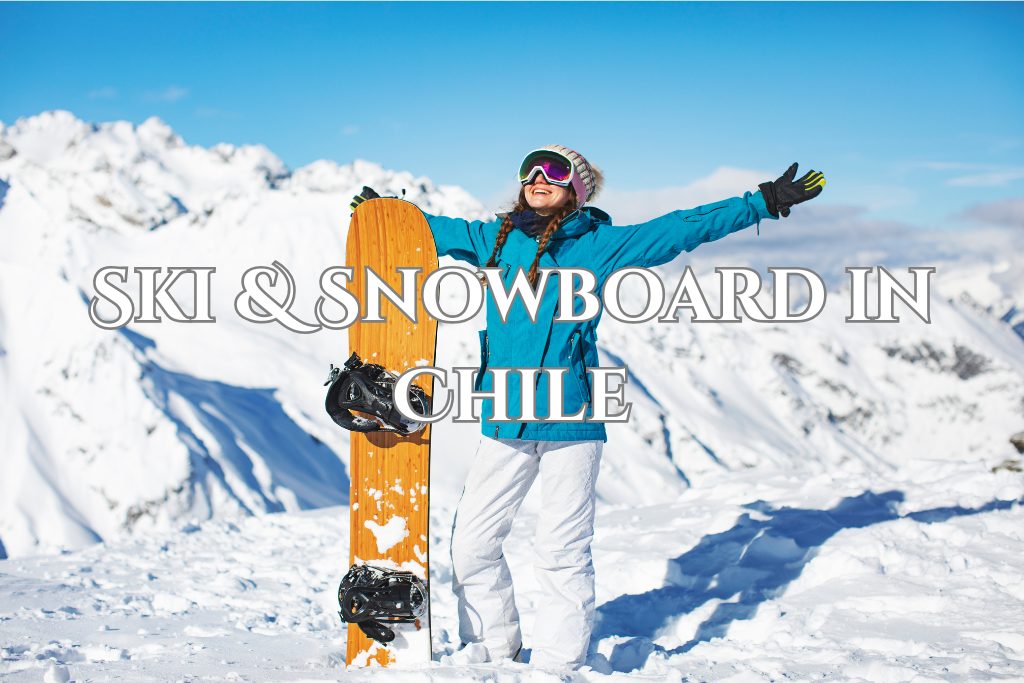
Chile’s ski season runs during the Southern Hemisphere winter, offering a chance to ski world-class terrain while resorts in North America and Europe sit closed for the summer. Most major ski areas are located high in the Andes within a few hours of Santiago, making Chile one of the few places where you can ski in the morning and return to the city by evening.
Snow conditions vary significantly throughout the season. Early winter can be unpredictable, while mid-season typically delivers the deepest snowpack and most reliable coverage.
Popular resorts like Valle Nevado, Portillo, and La Parva offer a mix of groomed runs, off-piste terrain, snowboarding, heli-skiing, and dramatic Andes scenery. Storm cycles can dump huge amounts of snow, but weather systems occasionally force temporary road closures into the mountains.
Skiing in Chile by Month
June (Early Season): Resorts usually begin opening in mid-to-late June depending on snowfall. Coverage can still be thin in some years, but early storms occasionally create excellent powder conditions with smaller crowds and lower prices.
July-August (Peak Season): This is the heart of Chile’s ski season, with the deepest snowpack, most reliable conditions, and all lifts operating. School holidays in Chile and Brazil bring larger crowds, especially in July. Expect the best combination of snow quality, terrain access, and resort atmosphere.
September (Spring Skiing): Days grow sunnier and warmer while snow coverage is still pristine at higher elevations. This is a favorite time for many experienced skiers because you get softer snow, fewer crowds, and more comfortable temperatures without losing much terrain access.
October (End of Season): Most ski resorts begin closing through early October as temperatures rise and snow conditions deteriorate. Years with strong snowfall allow limited late-season skiing, but operations and services are less predictable.
If you want the most reliable skiing and snowboarding conditions, aim for late July through early September. For fewer crowds and a more relaxed atmosphere, September often offers the best overall balance.
Chilean Festivals & Cultural Events
Chile’s festival calendar blends indigenous traditions, national celebrations, wine culture, music, and Polynesian heritage. Some events transform entire towns and regions, bringing street food, dancing, live music, rodeos, and packed public celebrations. If your travel dates line up with a major festival, it can completely change the atmosphere of your trip.
Because Chile stretches such a long distance geographically, celebrations vary widely between regions, from wine harvest festivals in central valleys to Polynesian cultural events on Easter Island.
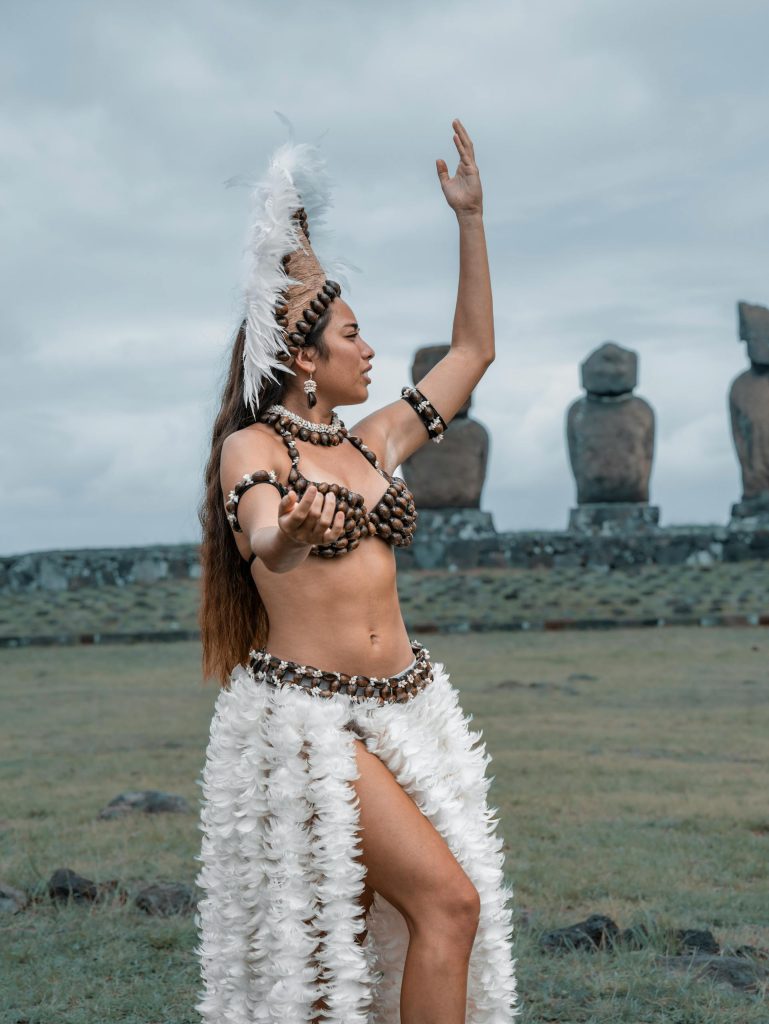
February | Tapati Festival
Rapa Nui’s biggest cultural celebration fills the island with traditional dance, music, canoe races, body painting, and Polynesian competitions. Hotels book out far in advance, and the island feels especially lively during this period.
March-April | Vendimias
Chile’s wine regions celebrate grape harvest season with tastings, traditional food, parades, folk music, and wine-focused street fairs. Towns throughout the Colchagua Valley and Maipo Valley become especially festive.
June-July | We Tripantu & Fiesta de la Tirana
Chile’s winter season brings important cultural and religious celebrations across the country. June marks We Tripantu, the Mapuche New Year and winter solstice celebration, observed primarily in southern Chile with ceremonies, music, storytelling, and traditional community gatherings.
In July, northern Chile hosts the vibrant Fiesta de La Tirana in the desert town of La Tirana. One of Chile’s largest religious festivals, it features elaborate costumes, masked dances, brass bands, and colorful processions honoring the Virgen del Carmen.
September | Fiestas Patrias
Chile’s Independence celebrations are easily the country’s biggest national event. For several days, cities and towns erupt with fondas (open-air festival spaces), cueca dancing, rodeos, barbecues, live music, and nonstop celebrations. Santiago becomes especially festive, though celebrations happen nationwide. Expect crowds, domestic travel, and almost every business closing during peak holiday days.
October | Oktoberfest & Mil Tambores
Chilean versions of Oktoberfest take place in southern regions with strong German heritage such as Valdivia and Puerto Varas with live music, traditional food, craft breweries, and outdoor celebrations.
October also features Mil Tambores, a massive street arts and percussion festival that fills Valparaíso with drumming groups, parades, performances, and colorful celebrations.
November-December | Concerts and Fairs
Spring and early summer bring outdoor concerts and regional festivals, like ferias cutumbristas (outdoor fairs that celebrate Chilean heritage and artisans), as Chile heads into vacation season. Coastal cities and beach towns begin filling with both locals and international visitors.
Cost Considerations and Peak vs. Off-Peak Pricing
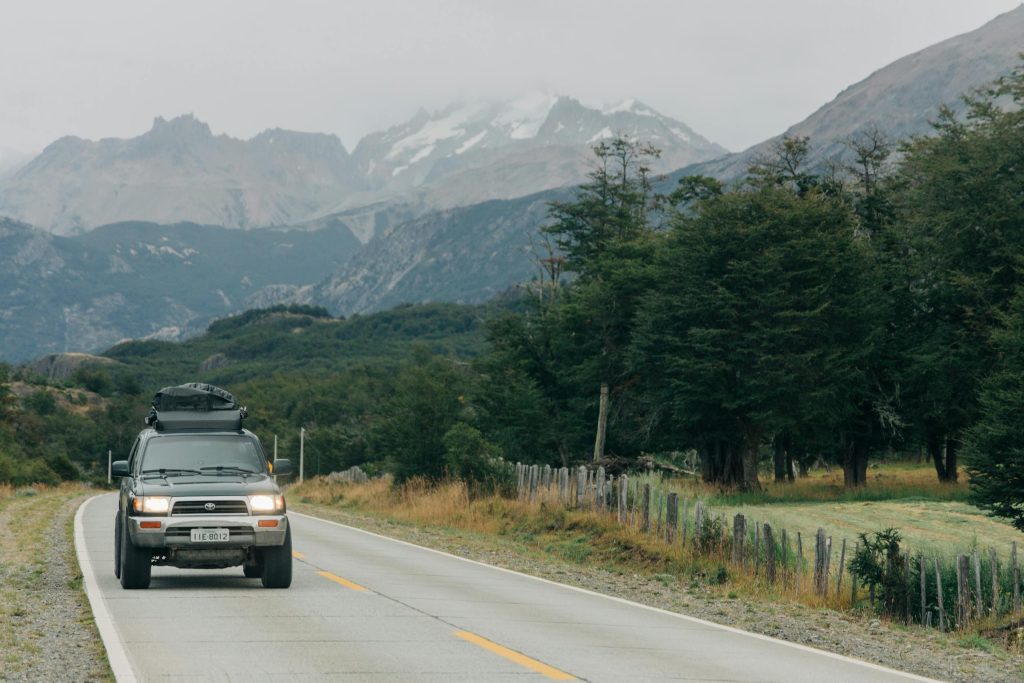
Pricing for tours, transport, and accommodations swings according to the season; understanding these patterns will help you estimate overall costs.
Peak Season | December-February
Flights from North America to Santiago can cost $900-1,600 roundtrip, with prices climbing around Christmas and New Year. Hotels in Patagonia charge 40-60% more than shoulder season, and popular properties like EcoCamp Patagonia and Explora sell out six months ahead. More accessible hostels in Puerto Natales also tend to book out quickly.
Domestic flights within Chile — like Santiago to Punta Arenas or Santiago to Calama for Atacama — double in price compared to off-season, and tour operators charge premium rates, while multi-day Patagonia treks require deposits nearly a year in advance.
Shoulder Season | March-May, September-November
Flights decrease to $600-900 from North America. Hotels lower rates by 30-40%, and you can often book quality accommodations only few weeks in advance without availability issues. Domestic flights stay reasonable, and tour operators offer discounts to fill spaces.
Off-Season | June-August
International flights hit their lowest prices at $500-800, and hotels and tours offer deep discounts. Whether your trip focuses on Atacama, wine country, skiing, or Patagonia, winter offers excellent value.
Rental cars also cost less in shoulder and off-seasons, and you will find better availability without needing to book months ahead. Restaurant prices stay consistent year-round, but some tourist-focused spots in beach towns and southern lakeside towns close during winter.
For the best balance of value and access, plan your trip for March-April or October-November. You get 70-80% of the good weather that summer offers at 60-70% of the cost.
Weather Patterns to Know Before You Book
Patagonian Wind: Blows year-round, strongest in summer (December-February). West-to-east gusts can hit 70 mph, making exposed ridges dangerous and camping less than agreeable if you do not have a four-season tent. Wind peaks in the afternoon, so plan early-morning starts for hiking.
Southern Rain: Rain in southern Chile gears up in April and begins to ease in September. Even during the summer trekking season, rain can hit without warning. Torres del Paine averages 10-15 rainy days per month even in January and February.
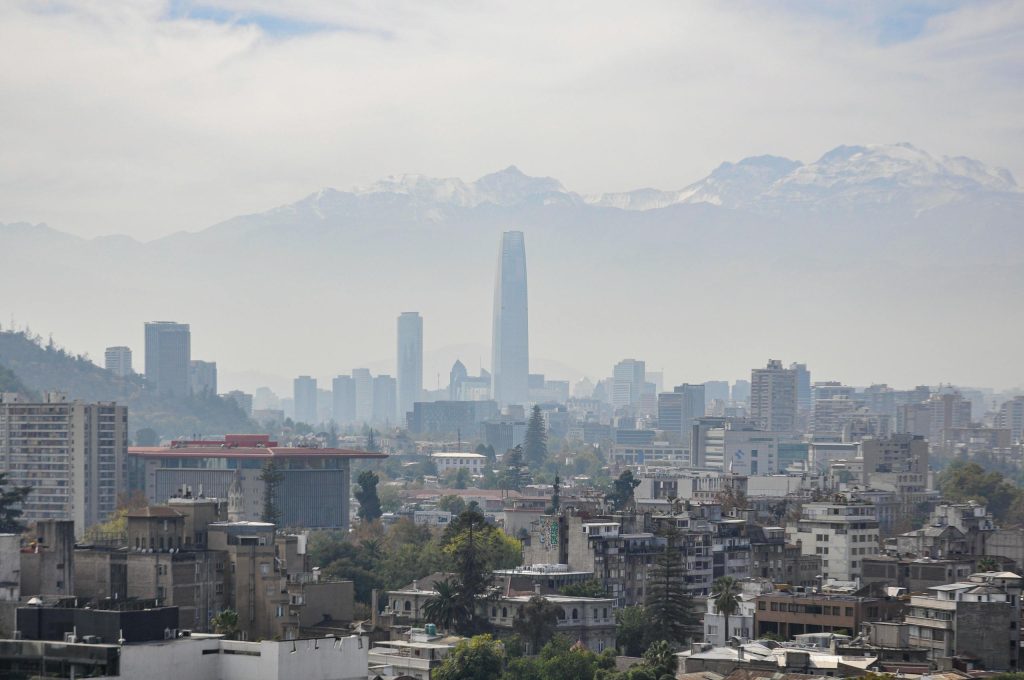
Santiago Smog: Thermal inversion traps pollution over the city during winter (June-August), creating thick smog on calm days. The mountains surrounding Santiago block airflow, and smog can get bad enough to trigger health warnings. If you have respiratory issues, avoid Santiago in winter or plan indoor activities when smog alerts hit.
Atacama Temperature Swings: Daytime temps can reach 75°F while nighttime drops below freezing due to high altitude and dry air. Dress in layers and carry a warm jacket even in summer. Early-morning geyser tours mean standing in sub-freezing temps for sunrise.
Spring Clouds and Summer Rain in the Atacama: November sometimes brings afternoon cloud buildup, though nights typically clear for stargazing. If visiting in late spring, expect occasional afternoon clouds that dissipate after sunset. The summer can occasionally bring sudden thunderstorms and even provoke floods or mudslides, the it isn’t a given.
Coastal Fog (Camanchaca): Marine fog rolls into coastal towns during winter and spring, creating overcast mornings that burn off by afternoon. Valparaíso and Viña del Mar get socked in regularly from June through October. Afternoons usually clear, but mornings stay gray and cool.
Multi-Region Itinerary Timing Strategies
Most visitors want to see more than one part of Chile, which means coordinating timing across regions with different seasonal patterns. Here are some ideas on how to structure trips that hit multiple highlights without fighting the weather.
Patagonia + Atacama + Santiago | 2-3 weeks
Visit during Chile’s summer (December) when Patagonia opens up. Start in Santiago for a few days, fly to Punta Arenas for Torres del Paine trekking, then head north to the Atacama Desert before finishing back in Santiago or the coast. This itinerary works because summer gives you still uncrowded access to Patagonia while keeping the Atacama clear and Santiago warm, but not too hot.
Wine Country + Coast + Santiago | 1-2 weeks
Go in autumn (March-April) to catch harvest season, perfect coastal weather, and comfortable Santiago temperatures. You can skip Patagonia entirely and focus on central Chile’s wine valleys, beach towns like Valparaíso and Viña del Mar, and Santiago’s neighborhoods. This timing avoids summer heat and winter rain.
Skiing + Santiago + Wine Country | 1-2 weeks
Winter (June-August) unlocks this combination. Ski Valle Nevado or Portillo for powder, explore Santiago during quieter months, and tour wineries that stay open year-round. You miss harvest, but you get world-class skiing unavailable in summer.
Patagonia + Lake District + Wine Country | 2-3 weeks
Summer (December-January) or autumn (March-April) works best. Trek Patagonia, explore the Lake District around Puerto Varas and Pucón, then finish in wine country. If you go in March, you catch harvest season at the end of your trip.