Traveling in Chile With Special Dietary Needs Made Easy
If you’re lactose intolerant, gluten-free, vegetarian, vegan, or managing food allergies, you’ll still be able to enjoy a wide range of traditional Chilean fare.
Common Dietary Restrictions in Chile
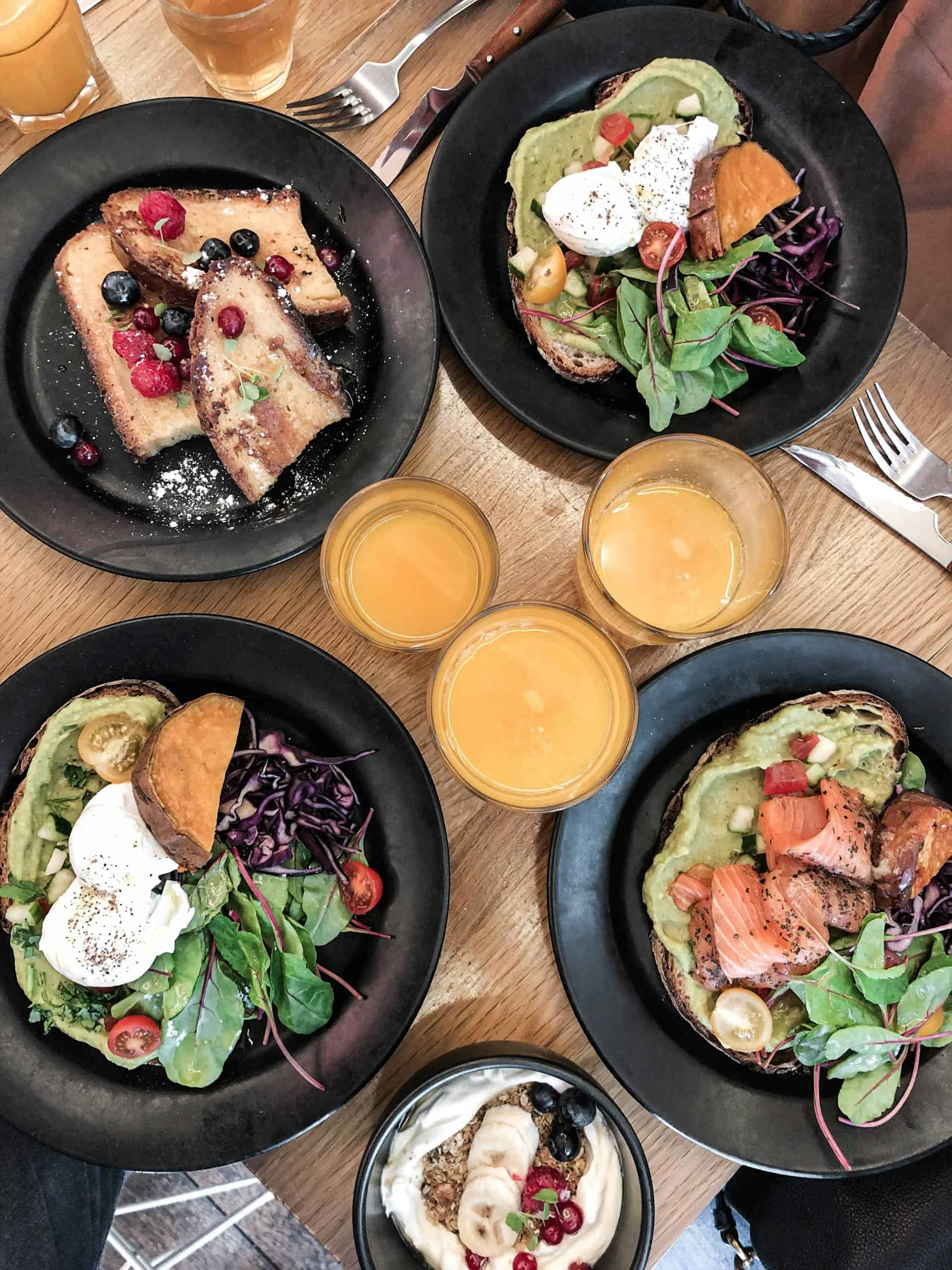
Some dietary needs are more widely understood than others.
- Lactose intolerance is fairly common and generally understood.
- Awareness of gluten intolerance is improving, cross-contamination is still a risk though.
- Vegetarian diets are popular among many Chileans, and many dishes are naturally veg anyways.
- Vegan communities are still small outside major cities; however, legume-based dishes are widespread in Chile, and many picadas make an effort to include vegan option in their menus.
It’s becoming more and more common across Chile to find specialty shops, restaurants, and supermarket aisles that cater to these, given that many people in Chile share the same dietary needs.
In one particular small town in the south, for example, there are at least three vegan/vegetarian restaurants; one, Sundar, in Villarrica, offers delicious Indian-inspired cuisine.
Aside from sensitivities and preferences, we understand that many travelers are also managing food allergies, such as Celiac, peanuts, shellfish/seafood, or eggs.
- Peanut and nut allergies are less common than in North America and not always top-of-mind in kitchens.
- Seafood and shellfish allergies should be communicated clearly, especially in coastal areas.
- Celiac – there is increasing awareness of Celiac disease in Chile and gluten-free brands and baked goods, however, there is still risk of cross-contamination in non-specialty kitchens.
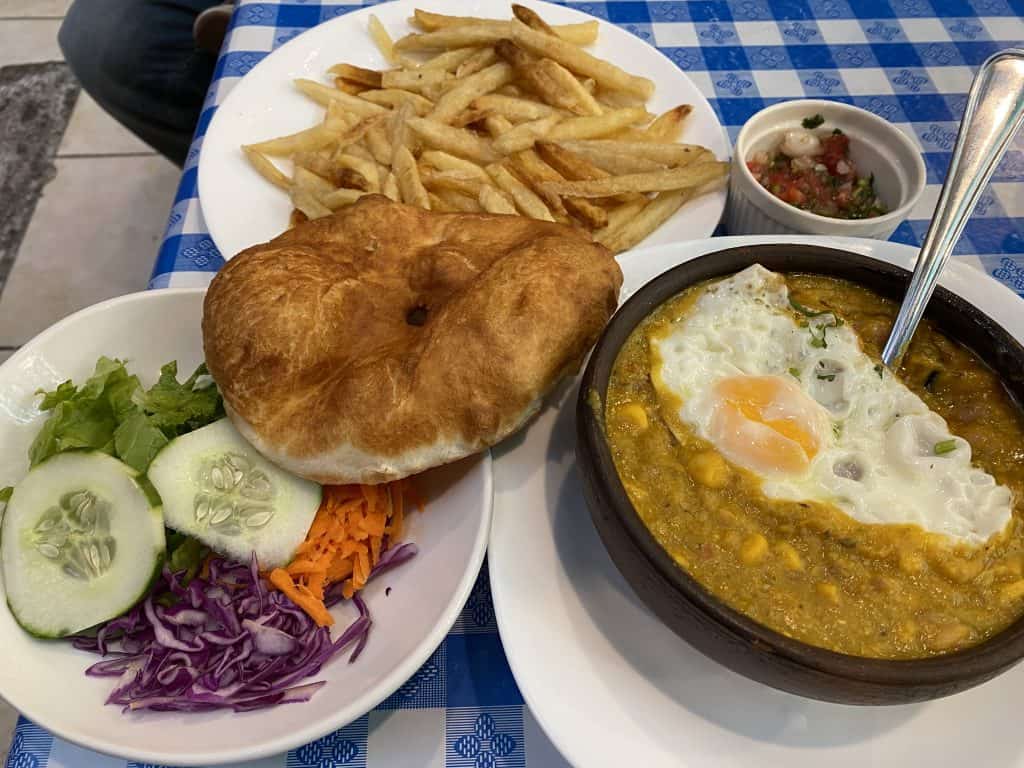
- Egg allergies – eggs are well-loved in Chile and feature heavily in dishes like Lomo a la Pobre. That said they are easy to avoid with a bit of communication.
In our region of Chile, for example, there are several gluten-free specialty shops and independent bakers.
Allergy awareness of all kinds is growing in Chile, but not every restaurant or picada (hole-in-the-wall) — no matter how accommodating — is equipped to serve those with severe allergies.
Depending on the severity of your allergy, it may be best to choose lodgings that allow you to prepare your own meals, like an AirBnB.
How to Order Food in Chile With Dietary Restrictions
Knowing a bit of Spanish goes a long way, so we’ll list some helpful phrases here:
- Tengo una alergia. – I have an allergy.
- Soy intolerante a… – I’m intolerant to…
- No puedo comer… – I can’t eat…
- Tengo alergia al maní – I’m allergic to peanuts
- Tengo alergia a los mariscos/ frutos del mar – I’m allergic to shellfish
- Soy intolerante a la lactosa – I’m lactose intolerant
- Soy celiaca – I have Celiac disease
- Soy vegetariano/a – I’m vegetarian
- Soy vegano/a – I’m vegan
- Busco algo orgánico/ sin aditivos – I’m looking for something organic/ without additives
- ¿Este plato tiene…? – Does this dish have…?
- ¿Cómo se prepara? – How is it prepared?
- ¿Se puede hacer sin…? – Can it be made without…?
Not everyone understands what “gluten” means; sometimes, it’s best to say “harina de trigo” (wheat flour). If something feels uncertain, it’s completely acceptable to change your order.
A Note on Organic Lifestyle Diets
Chile can be both a Mecca and a desert for people with organic/ low-processed/ additive-free dietary preferences. There’s not really anything as ubiquitous as a Wholefoods in Chile (except maybe select grocers in “el barrio alto” — the wealthier neighborhoods).
Organic produce sections are often small. And finding wild-caught seafood, pasture-raised eggs, or yogurt without sucralose and coloring is surprisingly challenging in Chilean supermarkets.
There are a few startup brands that are making inroads. And there are small independent health food stores that carry these brands and other alternative items.
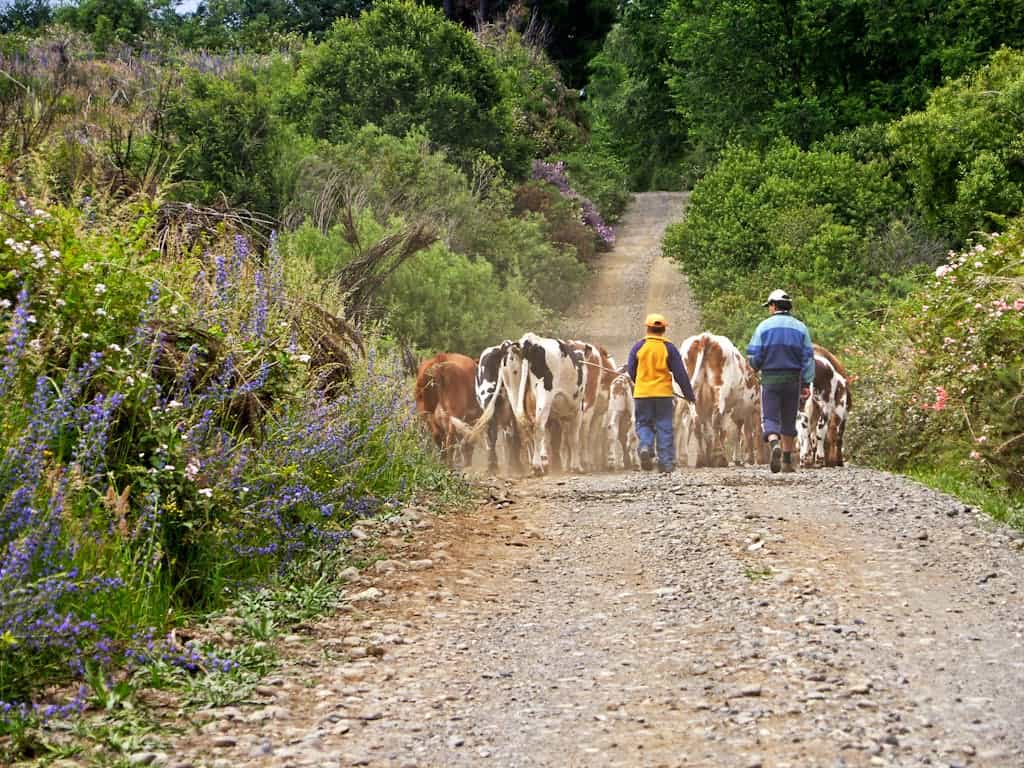
On the flip side, in small towns, sourcing your food straight from the grower or producer is much easier and more common than in the U.S.
In fact, the older generation in Chile is much more likely to do their daily or weekly shopping at small markets with the local baker, butcher, fisherman, farmer, etc. than going to the grocery store.
Colorful fruits and veggies from small gardens, Easter-colored eggs laid that morning, delicious salted butter that was churned yesterday, fish caught fresh from the river, homemade ferments, jams, and sauces… are all at your fingertips as you wander through the Chilean countryside.
Chilean Street Food and Dietary Restrictions
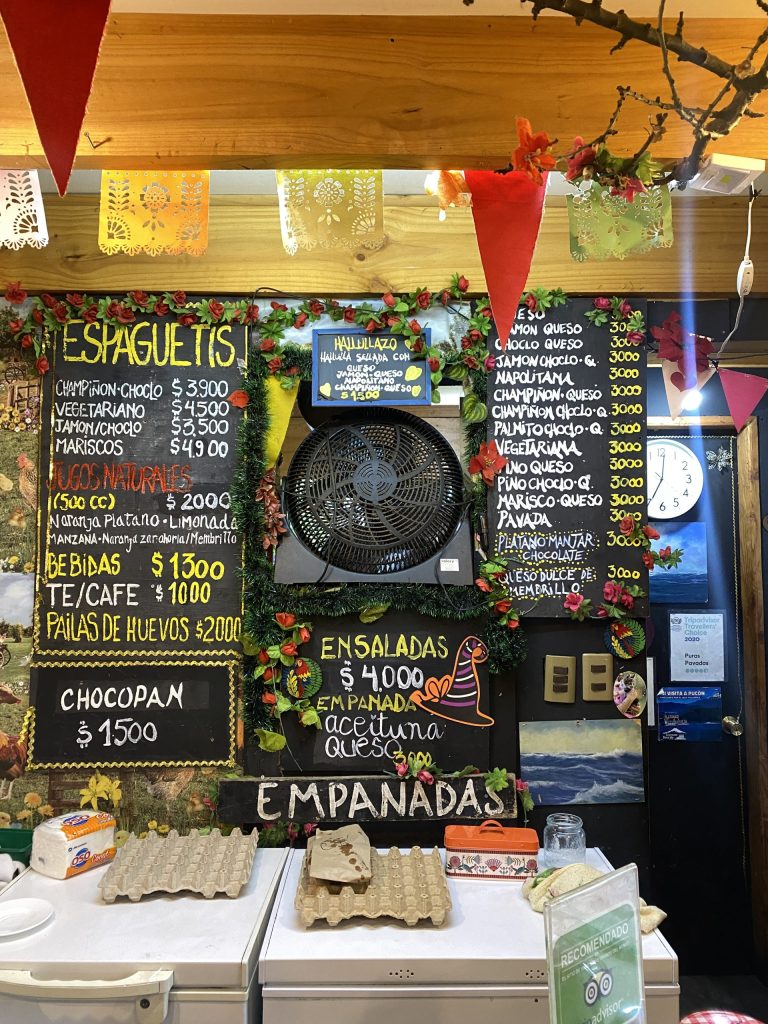
Street food has to be one of the best things about traveling in South America. In Chile, you’ll find food trucks, carts and kiosks with:
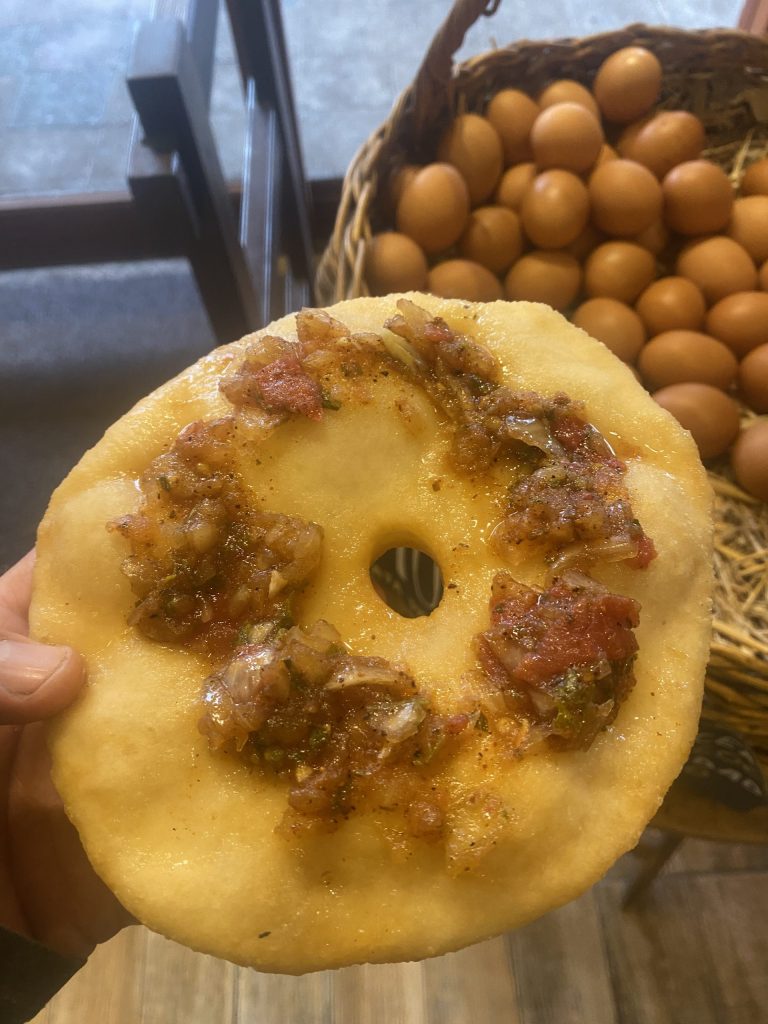
Sopaipillas
Not the dessert kind that many Americans are accustomed to at Tex-Mex restaurants. The sopaipillas in Chile are fried and savory – often made with Chilean pumpkins “zapallo” – and eaten with zesty toppings such as salsa de ají (smoked hot pepper sauce), mayonesa casera (homemade mayonnaise), and of course, pebre, a pico-de-gallo-like salsa made from a base of diced onion, tomato and cilantro.
Allergy Warning: wheat flour, vegetable oil, eggs (in mayonaisse), milk (in lactonnaise).
Empanadas
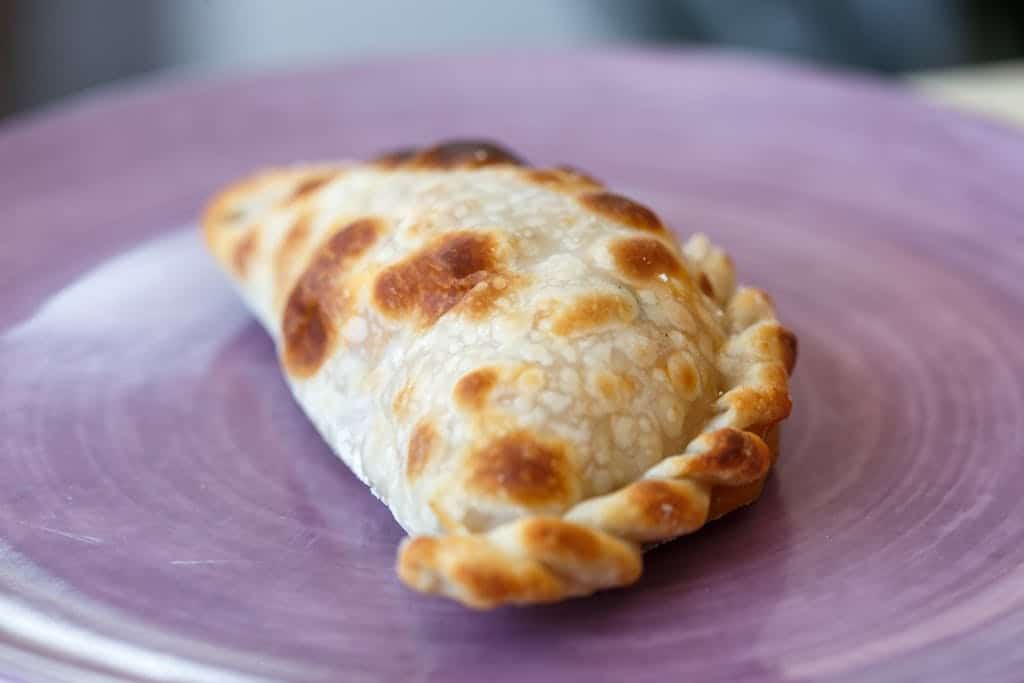
Chilean empanadas are traditionally baked (not fried), and have a variety of filings, the most popular being “pino” a mixture of ground or chucked beef with egg and olive. Ham, cheese and tomato – Napolitano – is another favorite.
Allergy Warning: wheat flour, vegetable oil, eggs (in “pino” variety), cheese.
Completos
Completos are Chile’s answer to the hot dog, though you may or may not find mustard at the stand. You can get a completo italiano – with tomato, avocado, and mayonnaise – named for the colors of the Italian flag. And, sauerkraut chucrut is a common add-on.
Allergy Warning: wheat flour, vegetable oil, cheese, eggs (in mayonnaise), meat/pork.
Churros
Fried churros usually come topped with powdered sugar (not with cinnamon like in Mexico) or filled with manjar (a carmel-like spread made with milk and sugar).
Allergy Warning: wheat flour, corn flour, vegetable oil, milk.
Common street foods like empanadas, completos, sopaipillas, and churros usually contain gluten, dairy, or both, and are often fried in shared oil. Seafood may also be prepared nearby, especially in coastal areas.
If you have a severe allergy or are highly sensitive to cross-contamination, street food is best approached with caution — or skipped altogether. When in doubt, sit-down restaurants or grocery stores offer more control and safer options.
Final Tips for Stress-Free Travel in Chile
Carry snacks you trust, especially on long travel days. Keep meals simple, and when in doubt be polite but clear — most restaurants and food trucks genuinely want to help travelers with allergies and dietary needs.
You can plan ahead. Traveling in Chile with special dietary needs isn’t about perfection — it’s about preparation. With realistic expectations and clear communication, you can eat well, feel good, and fully enjoy everything the country has to offer!