
Can You Drink the Water in Chile?
If you’re planning a trip to Chile, you may be wondering whether it’s safe to drink the tap water.
The short answer is: yes, in most places, Chile’s tap water is safe to drink. However, water quality, taste, and mineral content can vary significantly by region. While I’ve never had any issues drinking tap water in southern Chile, I personally avoid drinking it in Santiago after repeatedly experiencing an upset stomach.
After living in Chile for more than a decade, here’s what I recommend travelers know before filling up their water bottle.
Is Tap Water Safe to Drink in Chile?
Many travelers arrive in Chile assuming that all of South America follows the same rule:
“Don’t drink the water.”
In reality, Chile is different from destinations where avoiding tap water is standard advice.
Most travelers will be perfectly fine drinking tap water throughout much of the country.
Chile has modern water treatment infrastructure, and the tap water is considered safe to drink throughout most of the country. Unlike some destinations where travelers are advised to avoid tap water entirely, most visitors to Chile won’t have any serious issues.
That said: the taste, mineral content, and treatment methods can vary depending on where you are, and some travelers may find that certain regions are harder on their stomachs than others.
Why Santiago Is Different?
If there’s one place where I recommend a little extra caution, it’s Santiago.
While Santiago’s tap water is technically safe, I’ve personally experienced significant indigestion (and diarrhea) after drinking it. Also, my Chilean husband won’t drink Santiago tap water either just because he says it’s bad quality.
To date, I’m the only person I know that’s actually had a strong reaction to Santiago tap water; most of my foreign friends mentioned that the didn’t like the taste, but didn’t have any issues.
Santiago’s water is quite hard, meaning it contains a higher concentration of minerals. If you’ve ever noticed heavy mineral buildup inside electric kettles or coffee makers, that’s often a sign of hard water — and it’s very common in Santiago.
Drinking Tap Water in Southern Chile
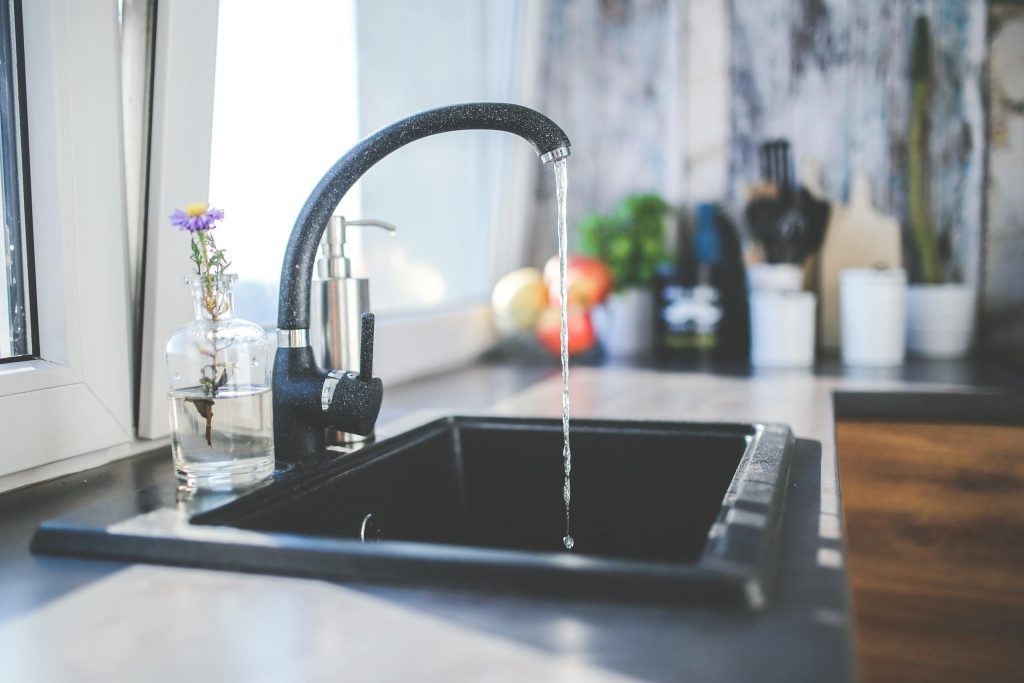
Outside of Santiago, I’ve generally had a much better experience.
In the Araucanía region and other parts of southern Chile, I’ve comfortably drunk tap water without any issues. I’ve also heard from many locals that the water in southern Chile is among the cleanest in the country.
One story that has always stuck with me from a U.S. couple who’s lived in Chile for years involved a water sample from a property near Pucón that they sent to a laboratory for testing in the early 2000s. They said technicians were amazed by the results and described it as some of the purest water they had ever tested.
While that’s just an anecdote, I think it reflects the reputation that southern Chile has for exceptionally clean water sources.
Should You Drink Bottled Water Instead?
If you have a sensitive stomach, bottled water is your safest bet, and personally, I’d recommend bottled water to visitors visiting Chile for the first time — because it would be a bummer to spend a day of your trip not feeling your best.
My family’s go-to nationwide bottled water brand is Benedictino. (Cachantun, another big brand, tends to have a more sodium heavy taste). Chile also has some excellent small-scale spring and mountain water bottled water producers, particularly in the south, including Kura and Puyehue, and both of these brands come in pretty glass bottles (actually a lot of people like to collect and repurpose the Puyehue bottles).
If you’re concerned about plastic waste or don’t want to constantly buy bottled water, bringing a reusable bottle with a built-in filter can be a great compromise.
Sparkling Water
One mistake travelers make in Chile is accidentally buying sparkling water.
Sparkling water is very popular here, and it’s very easy to grab the wrong bottle at a gas station or grocery store if you’re not paying attention. I’ve had more than one effervescent surprise, including a bottle that was overly shaken from the ride in my backpack exploding all over me.
If you actually want sparkling water though, here’s the code:
Still Water — red cap*, usually labeled “sin gas” or “natural”
Sparkling Water — blue cap*, usually labled “con gas” or “gasificada”
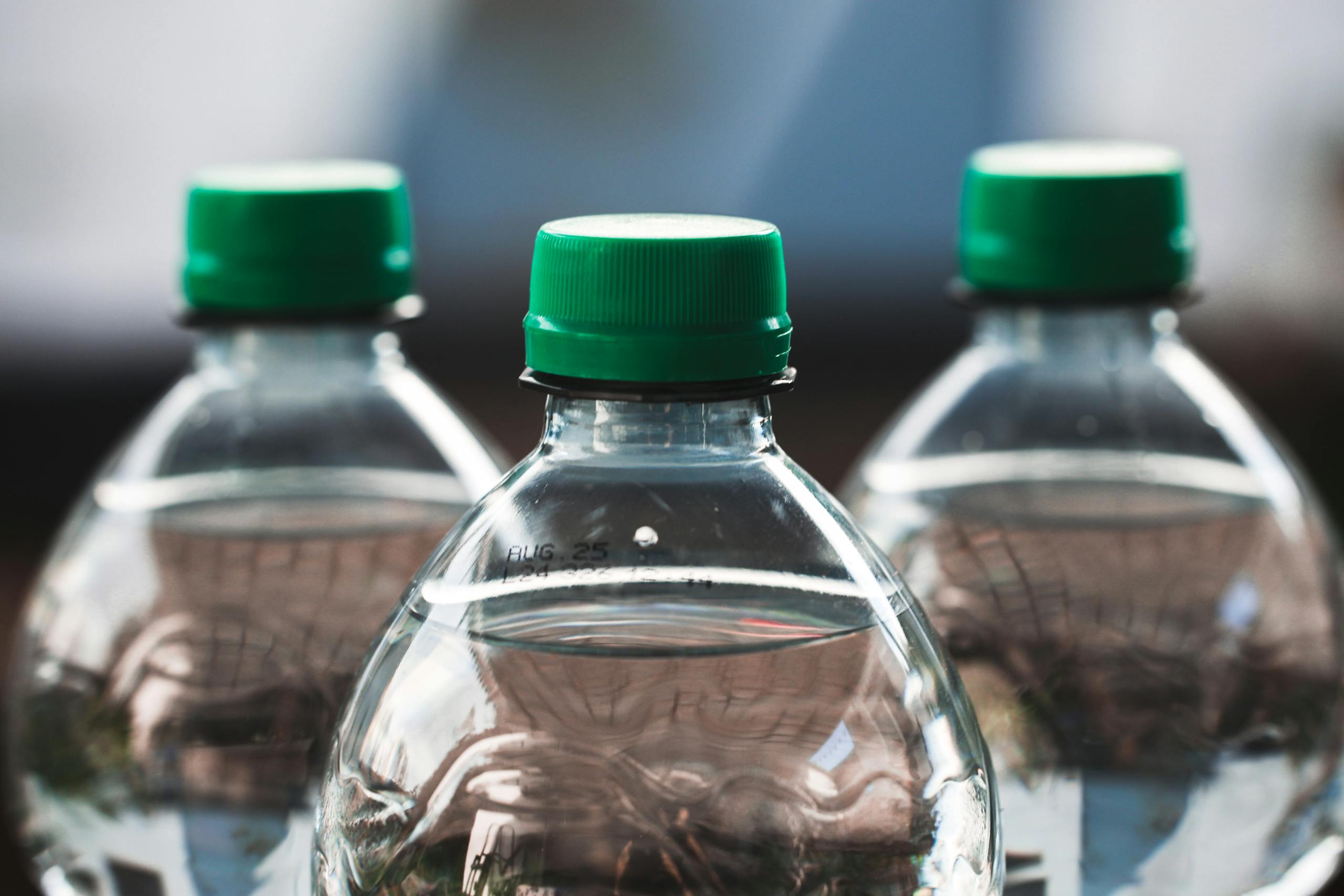
*In the case of the Benedictino brand, the still water has a white cap, and the sparkling has a green cap. Smaller spring water brands, like Kura and Puyehue, don’t use this color code, but the label will indicate which kind of water it is.
What About Hiking, Streams, and Well Water?
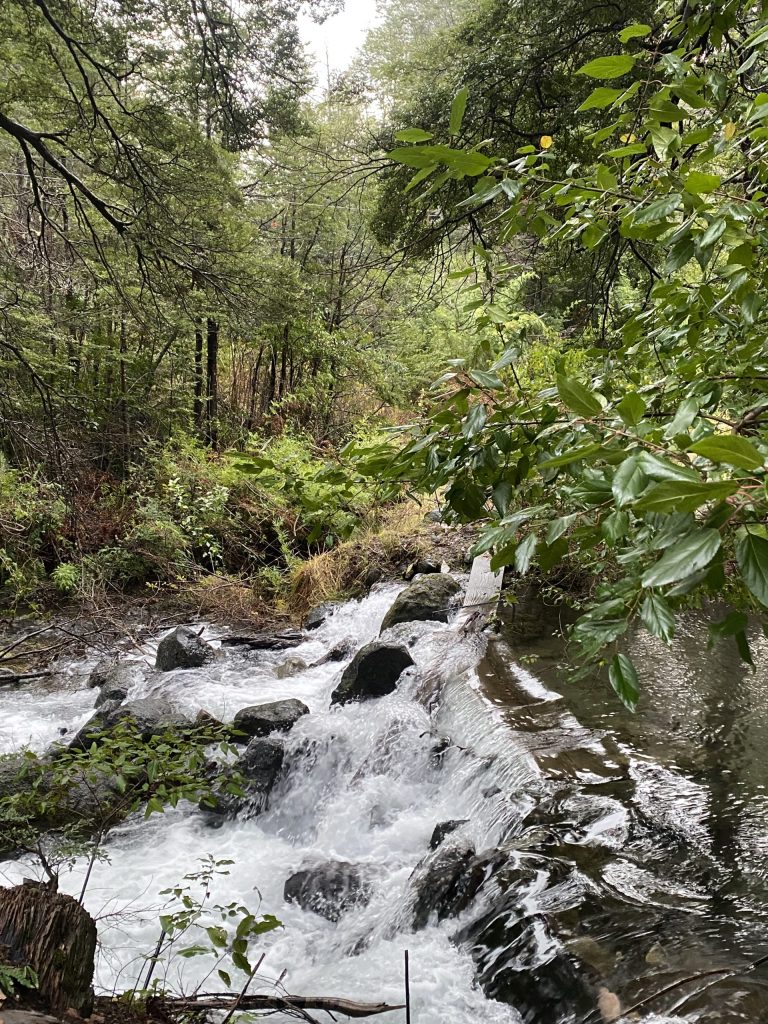
In many parts of southern Chile, you’ll encounter pristine-looking streams, rivers, and wells, and during hikes in Patagonia, I’ve drunk water directly from streams without any issues. In remote mountain areas, that water has often been naturally filtered through rocks and vegetation.
Well water is also common throughout southern Chile and is regularly used for drinking water in many rural homes.
That said, I would never assume a water source is safe simply because it looks clean.
When hiking or visiting rural areas, it’s always best to ask a guide or local resident before drinking untreated water.
My Recommendation
For most travelers, drinking water in Chile is not something to worry about.
If you have a sensitive stomach, stick to bottled water or use a filtered water bottle, especially when visiting Santiago. Outside the capital, many travelers comfortably drink tap water throughout the country without any issues.
When in doubt, ask your accommodation host, guide, or a local resident. They’ll usually be happy to tell you whether the local water is commonly consumed straight from the tap.
And if you accidentally buy sparkling water instead of still water, don’t worry — you’re not the the first traveler to make that mistake.