Travel Chile Insider’s Guide to Chilean Wines

Welcome to Travel Chile Insider’s Guide to Chilean Wines
This article was written by agronomist and enology student Rodrigo Rojas and reviewed by Chilean enologist and winemaker Rodrigo Moraga.
Chile’s Northern Region: Zingy and Mineral-rich
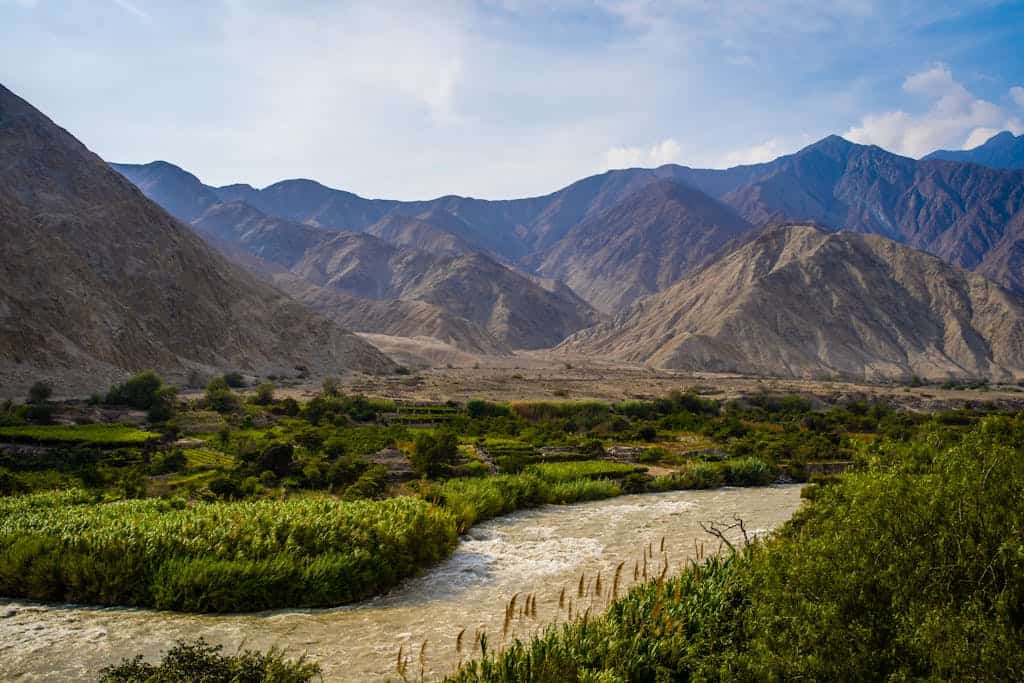
Copiapó Valley
One of the most traditional grape varieties in northern Chile is Muscat of Alexandria, which is particularly prevalent in the Copiapó Valley, in the Atacama region.
This variety is distinguished by its intense aroma, with pronounced floral and fruity notes. It also has a high sugar content, making it ideal for producing sweet wines, without diminishing the excellent results it yields in dry wines.
Elqui Valley and Limarí Valley
Further south in the Coquimbo Region, Elqui Valley and Limarí Valley have gained renown in Chile’s wine industry.
The semi-arid climate, with a significant temperature range between day and night, is moderated by the influence of sea breezes and the proximity of the Andes Mountains, creating a unique environment for grape cultivation.
Among the predominant grape varieties in these valleys are Pedro Ximénez — traditionally used for pisco production, but increasingly common in wine-making — as well as Syrah, Sauvignon Blanc, and Chardonnay.

Wines from these nothern regions share two fundamental characteristics:
- A pronounced minerality, such as with the Chardonnays of Limarí, due to soils rich in limestone and calcium carbonate.
- A remarkable freshness, a product of the camanchaca—a dense coastal fog typical of the north—which cools the vineyards during the day, along with the cold nights that slow the ripening of the grapes, producing a natural and well-integrated acidity.
Chile’s Central Region: the Historical Cradle of Chilean Wine-making
The Central Region is the heart of Chile’s wine industry, where the tradition of wine began and where the most recognized wineries in the country are still concentrated. Here, each valley offers unique qualities that influence the intrinsic characteristics of different grape varieties and production styles:
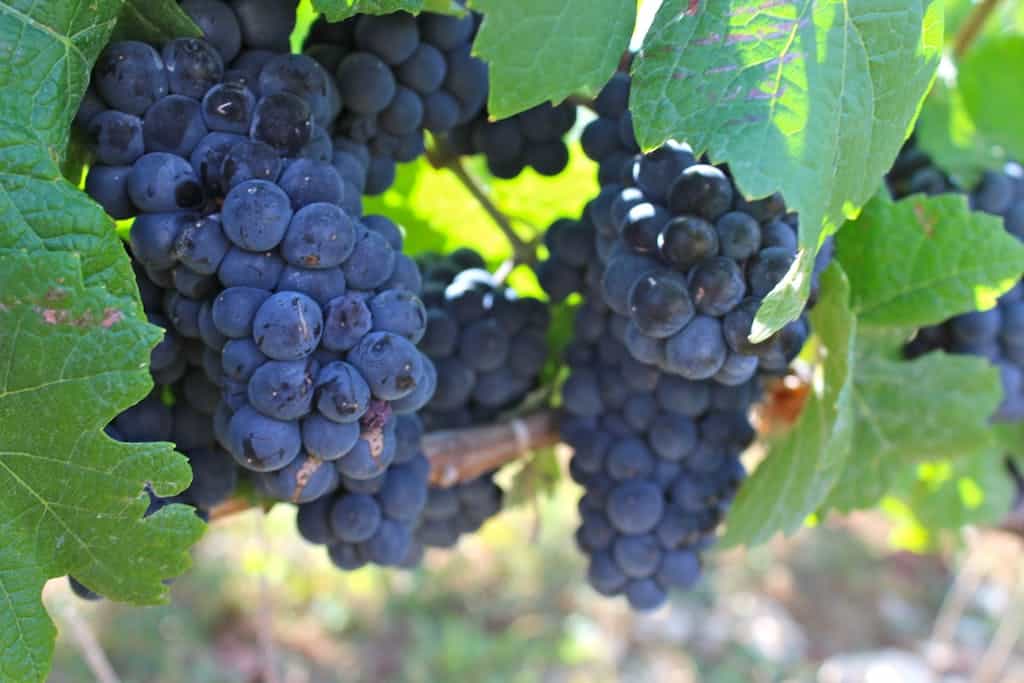
Aconcagua Valley
Known for its structured red wines, especially Carménère and Cabernet Sauvignon
Casablanca Valley
With a marked coastal influence, the climate is ideal for cold-weather varieties, such as Sauvignon Blanc, Chardonnay, and Pinot Noir. Casablanca’s wines are fresh, aromatic, and elegant.
Maipo Valley
The origin of Chilean Cabernet, Maipo Valley produces classic and potent reds, principally Cabernet Sauvignon and Cabernet.
Colchagua Valley and Cachapoal Valley
These wine Meccas, both within a larger valley known as Rapel, are recognized for their intense and expresive red wines, especially Carménère, Chile’s emblematic grape.
Curicó and Maule Valley
Home to 100-year-old vineyards, Curicó and Maule are renowned for their heritage grapes — including País, Carignan, Tintoreras (whose greatest representation is Alicante Bouschet), and Cabernet Sauvignon from old vines — giving life to authentic wines of great character.
Chile’s Southern Region: Refreshing, Rainy, and Reviving Tradition
This region is distinguished by its temperate, rainy climate, granitic soils, and a rich wine-making tradition linked to small producers.

Itata and Biobío Valley
In the Ñuble and Biobío regions of Chile, the Itata and Biobío valleys stand out, currently experiencing a resurgence in the appreciation of traditional grape varieties cultivated for centuries using dry farming methods (cultivation without irrigation), such as País, Cinsault, and Muscat of Alexandria.
The current trend in these areas points toward the creation of light, juicy, and very fresh wines, a style that is gaining increasing recognition in international markets.
Likewise, there has been a revival of ancestral techniques, such as the use of clay vats and spontaneous fermentation. The Biobío Valley, in particular, shows great potential for aromatic white varieties such as Gewürztraminer and Sauvignon Blanc.
Extreme South of Chile: a Global Novelty

In southern regions such as Malleco, Osorno, and even Coyhaique (in the Aysén Region), pioneering winemaking projects are emerging that explore new limits of viticulture in cold climates.
The most commonly used varieties — Pinot Noir, Chardonnay, and Riesling — have shown remarkable adaptation to these extreme conditions., and the wines produced in these areas are distinguished by their high acidity, mineral profile, and an elegant fruity expression.
Many of these ventures are small-scale, with a strong emphasis on respect for the natural environment, local identity, and the use of natural winemaking methods.
Thanks to their uniqueness, these regions are positioning southern Chile as a new global enological frontier, attracting consumers who value exclusive, authentic, and character-filled wines.Main Grape Varieties Produced in Chile
Main Grape Varieties Produced in Chile
Red Grapes
Cabernet Sauvignon
The king of Chilean wine. The characteristics of wine made from the Cabernet Sauvignon grape are its great structure, firm tannins, notes of cassis, black cherry, and mint, and, with barrel aging, hints of tobacco and chocolate — characteristics that lend the wine its elegance and longevity.
Carménère
Chile’s emblematic grape. After being considered extinct in Europe due to the phylloxera plague, which devastated this variety, the Carménère grape was rediscovered in Chile in the 1990s.
Until then, it was mistakenly identified as Merlot, being grown in Chile throughout the 19th and 20th centuries. Wines from this variety have a deep color and a smooth profile, with notes of ripe red fruits, roasted pepper, tobacco, and spices. Soft tannins give it a silky texture and less astringency on the palate.
Syrah
An emerging star. Syrah adapts best to cooler climates, especially those influenced by the coastal winds. It comes in a range of profiles: from intense, spicy, and robust Syrahs to fresher and more elegant varieties. Typical notes include blackberry, black pepper, olive, and a smoky touch.
Pinot Noir
A delicate and demanding grape. Pinot Noir found a new home in Chile’s cool central and southern valleys. The wines from this grape are fresh and medium-bodied, with aromas of wild strawberries, cherries, damp earth, and flowers. Ideal for those who prefer lighter reds with a strong expression of terroir.
Merlot
Versatile and silky. Merlot, very popular in Chile in the 1990s, offers a friendly profile, with flavors of ripe plums, sweet herbs, and cocoa.
País
Known as Criolla Chica in Argentina or Mission in the U.S., this grape is one of the oldest varieties in the Americas. It was introduced to Chile by Spanish colonizers in the 16th century and is still actively cultivated in the Maule and Ñuble regions.
Wines from this grape are known for their lightness, juiciness, and freshness, with intense aromas of red fruits such as strawberry and cherry, soft tannins, and a refreshing finish with a subtle touch of bitterness.
White Grapes
Sauvignon Blanc
The most produced white grape in Chile. Sauvignon Blanc is mainly cultivated in the coastal regions of the central zone. Wines made from this grape are fresh, citrusy, and herbaceous,with vibrant acidity and tropical tones.
Chardonnay
Wines made from Chardonnay have a versatile expressions. They can range from fresh and citrusy to wines with a highlighted creaminess and smooth texture.
Muscat of Alexandria
The Muscat of Alexandria grape is known for its intense floral aromas, with notes of orange blossom, orange, and sweet spices, as well as fruity touches like grapes and peaches.
Its wines, generally sweet with a high sugar concentration, are also made in a dry style, offering a smooth texture and moderate acidity that balances the sweetness.
They have a golden color and medium-bodied, with a fresh sensation, especially in the dry versions. This variety is used for both still wines and dessert wines and spirits like pisco.
Gewürztraminer
Originating from Alsace, France, Gewürztraminer is an aromatic grape that produces expressive wines, with intense notes of lychee, roses, and spices. Its wines tend to be creamy, with moderate acidity and a long finish.
In Chile, it is cultivated in cool areas like Biobío and San Antonio, where it maintains its floral and exotic character.
Reisling
Originating from the Rhine Valley in Germany, this white grape has gained worldwide recognition for its elegance and ability to express terroir. In Chile, it is cultivated in cool areas like the Itata Valley, where it produces vibrant wines with high acidity and aromatic expression.
Chilean grown Reisling is characterized by notes of white flowers, citrus, peaches, and a distinct mineral touch. Depending on the style, it can be dry, semi-sweet, or sweet, and it is known for its aging potential.
Renowned Chilean Wine Labels
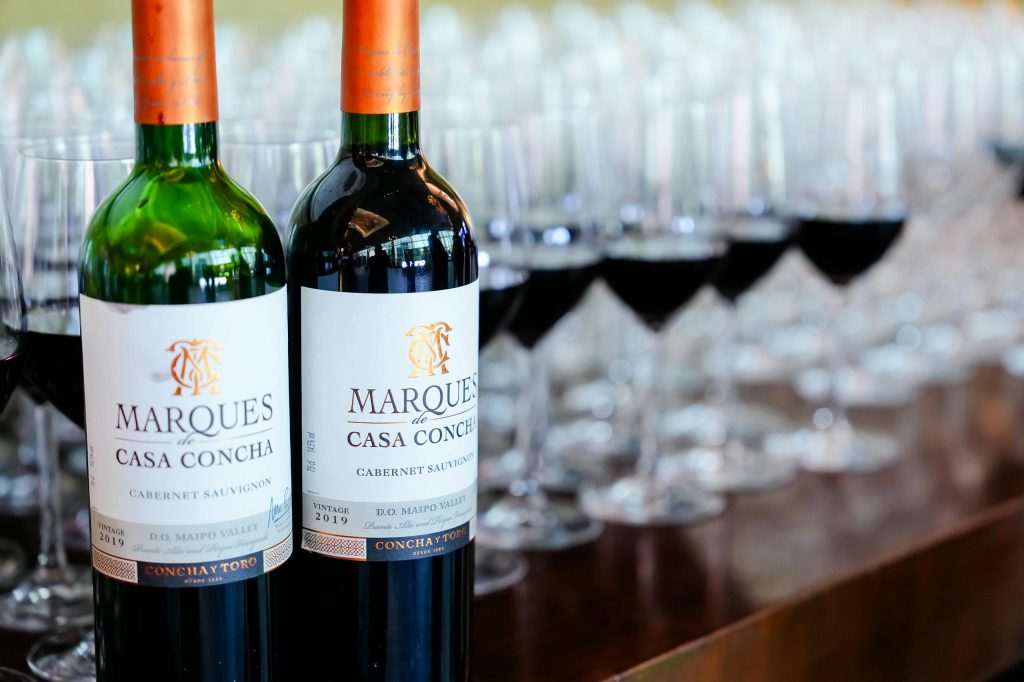
Iconic and Internationally Recognized Wineries
These are the wineries have put Chile on the global wine map:
Concha y Toro: The largest and most exported brand from Chile. Notable labels: Casillero del Diablo, Don Melchor (premium Cabernet Sauvignon).
Santa Rita: Famous for its 120 line, but also for premium labels like Casa Real.
Undurraga: One of the oldest wineries in the country; known for consistency and renowned sparkling wines.
Viña San Pedro: A leader in innovation and sustainability. Labels like GatoNegro and 1865 are widely recognized.
Montes: Known for its high-end reds like Montes Alpha and its innovative sustainable production methods.
Premium and Artisan Chilean Wineries
These wineries are focused on high-end wines and terroir, ideal for those seeking more sophisticated and varied experiences:
Errázuriz: Based in Aconcagua, Errázuriz produces iconic wines like Don Maximiano and Kai, positioning the label among the best in South America.
Lapostolle: Famous for Clos Apalta, one of the most awarded wines in Chile.
Viña VIK: A luxury project in Millahue. It blends art, architecture, and wine in premium experiences.
Matetic: Pioneers in biodynamics in the San Antonio Valley. Specialists in Syrah and fresh wines from the coastal climate.
Emerging Boutique Chilean Wineries
Garage Wine Co.: Garage Wine Co. offers a limited production focused on heritage varieties like Carignan.
Polkura: In the Colchagua Valley, Polkura specializing in expressive Syrah.
Clos de Fous: A project exploring various terroirs in less traditional regions like Itata or Malleco.
Viña Cucha Cucha: In the Itata Valley, reviving varieties like País and Muscat of Alexandria.
Pedro Parra y Familia: A globally recognized winemaker known for his work with terroir, producing fine wines in Itata.
Specialists in Whites and Sparkling Wines
Casa Marín: Specialists in Sauvignon Blanc, Riesling, and coastal Pinot Noir, located in San Antonio Valley.
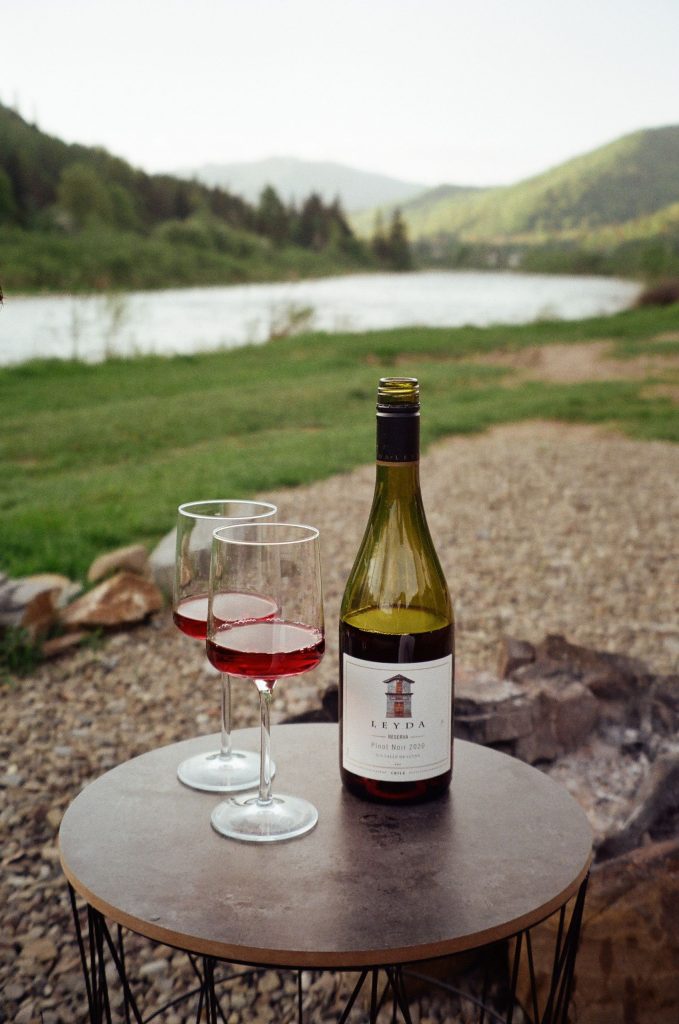
Leyda Wines: Vibrant and fresh whites; cold-climate Sauvignon Blanc.
Morandé: Extensive portfolio; also notable for sparkling wines and experimental wines.
Emerging Wineries in Southern Chile
Ñuble Region
Viña Cucha Cucha (Itata): A historic winery located in the Itata Valley, focusing on traditional varieties like País, Cinsault, and Muscat of Alexandria, producing wines from old vines grown in dry farming systems that reflect the identity of southern Chile’s terroir.
La Araucanía Region
Viña Casa Kellar (Temuco): One of the southernmost wineries in the country. Small-scale production focused on cold-climate viticulture. The main varieties are Pinot Noir and Sauvignon Blanc.
Casa Küme (Malleco): A eco-wine project in the Malleco province, developing varieties adapted to the southern climate.
Viña Wüfko (Cunco, near Villarrica): An emerging project located near Villarrica. It focuses on biodynamic and natural practices, ideal for those seeking alternative wine tourism experiences.
Viña El Volcán (Pucón): A development-stage venture located at the foot of Villarrica Volcano, with great potential to be part of tourist routes connected to the volcano and the natural environment.
Los Ríos Region
Viña Kütralkura (Paillaco): A small-scale emerging wine project that aims to recover and enhance the cultural heritage of the Mapuche people, with potential for cultural ethnic wine tourism experiences.
Los Lagos Region
Viña Comarca Austral (Puerto Varas): A pioneering project in the Los Lagos Region, ideal for complementing tourist routes to Patagonia. Trial varieties: Pinot Noir, Chardonnay.
Viña Trapi del Sur (Osorno): Recognized for the quality of its Pinot Noir, it has become one of the leading wineries in southern Chile.
Aysén and Magallanes Region (experimental phase)
Viña Lenga (Coyhaique, Aysén): An experimental enological project with high potential, offering an extreme wine tourism experience in a pristine natural setting.
Viñas Don Renato
News and Trends in the Chilean Wine Industry
Sparkling wines from the south: Excellent sparkling wines (mainly using the traditional method) are emerging from areas like Malleco and Biobío.
Cultivation of heritage grape wines: País, Cinsault, and Carignan are being revalued with more natural methods.
Fresher, less concentrated wines: There is a movement towards wines with lower alcohol, more freshness, and expression of terroir.
Explorations in southern regions: Vines are being planted in more extreme regions like Coyhaique and Aysén, with bets on Pinot Noir, Chardonnay, and Sauvignon Blanc in these cold climates.